


- Sweating is the body’s natural way of cooling down- sweat evaporates from the skin and allows body temperature to drop.
- Short term increases in sweating may happen in hot surroundings, during exercise or if a person has an acute fever or infection.
- However, sometimes people get abnormal sweating or sweating at night that continues for weeks, months or even years- they may experience night sweats that drench the bed, or excessive sweating by day that soaks through clothing and causes discomfort and embarrassment.
- Sometimes chronic (long term) sweats can be a sign of a serious underlying illness- so, here are some of the causes a doctor will consider.
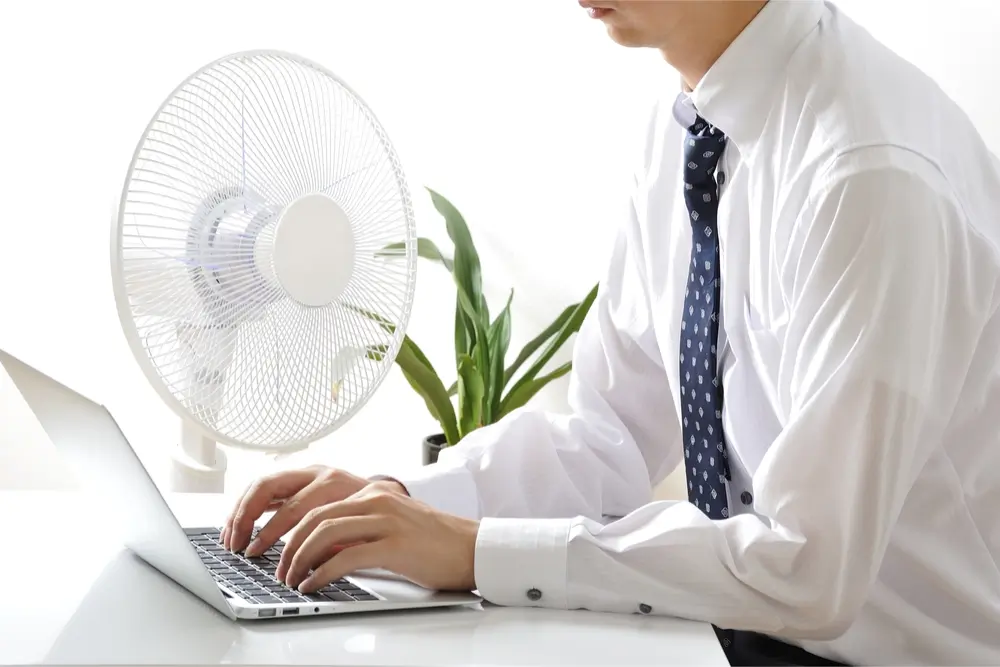
Stress & anxiety
Increased adrenaline production can lead to hyperventilation, a rapid heartbeat and sweating. Other symptoms of anxiety include chest tightness, palpitations, tremor, nausea, diarrhoea and feelings of dread and fear.
Medications
Sweating can be a side effect of some commonly used medications, including antidepressants. It’s always worth checking the label of any medication you’re taking to see if sweating is a possible side effect, particularly if you think your sweating began when you started the medication (or when you increased the dose). Sweating can also occur if withdrawing from certain drugs such as alcohol, opiates, benzodiazepines, cocaine and others.
Hyperthyroidism
If the thyroid gland is overactive and produces too much thyroid hormone it can lead to various symptoms including excessive sweating. Other symptoms include rapid heartbeat, tremor in the hands, feeling too hot, reduced appetite, diarrhoea, hair loss, nervousness, irritable mood, insomnia, weight loss, and prominence of the eyes. Women suffering from hyperthyroidism may also get irregular periods.
Menopause in women
When women approach and enter menopause (usually between the ages of 45 and 55) oestrogen levels fall, leading to symptoms including sweats and flushes- sweating at night can be particularly troublesome. A sense of heat tends to start in the chest and rises into the head and neck- it can be a very debilitating symptom.
Dedicated online menopause care is available through Doctors for Menopause, part of the Qoctor group.
Primary Hyperhidrosis
This is when the tiny nerves that control the sweat glands are overactive and cause excessive sweating to occur. Sometimes this disorder runs in families. It tends to involve the head, face, hands, underarms and feet, and tends to present in childhood.
Infections
Chronic underlying infections can lead to sweats that continue for weeks or months, including sweating at night- for example TB, HIV, brucellosis, endocarditis and osteomyelitis. A careful history, examination and blood tests may be needed to unearth the cause.
Blood disorders and cancers
Lymphoma, leukaemia and other blood disorders can present with excessive sweating (particularly sweating at night), as well as fatigue, recurrent infections, weight loss, fevers, back pain and sometimes a tendency to bleed or bruise easily. And a variety of cancerous conditions may also present with sweats.
Heart problems
Various heart conditions can cause sweating. One of the signs of a heart attack is sweating. There are usually other symptoms such as chest pain (or tightness) which may spread to the jaw and left arm, nausea and sometimes shortness of breath and weakness.
Obesity
People who are significantly overweight may experience excessive sweating.
What are the warning signs it could be something serious?
Anyone who is sweating too much should speak to a doctor as soon as possible- particularly if the sweats are severe, or there are other worrying symptoms such as:
- Weight loss
- Fevers
- Exhaustion
- Chest or back pain
- Rapid heartbeat
- Shortness of breath
- Night sweats
What tests should be done for excessive sweating or sweating at night?
- As there are so many causes of sweating, your doctor will usually conduct a thorough physical examination, including pulse, temperature and blood pressure, as well as assessing the heart, chest and abdomen.
- Depending on the history and examination findings, blood tests will often be ordered to check for some or all of the conditions listed above.
- There may also be a need for Xrays, scans and other investigations.
If you have concerns about excessive sweating or sweating at night, speak to your doctor.


Sinus Infection: Symptoms, How Long It Lasts, and When You Need a Doctor
Sinusitis, often called a sinus infection, is one of the most common reasons Australians start to feel wretched for a week or two after a cold. The good news is [...]

Can You Get a Free Medical Certificate in Australia?
An honest answer from a GP: mostly no, but there are some genuinely free routes, and they are worth knowing about. This page explains where free or bulk-billed certificates really exist, why online [...]

Can You Get a Medical Certificate from a Pharmacy or Chemist Warehouse?
Pharmacy Medical Certificates in Australia: Rules, Limits and Costs If you wake up unwell and need proof for work, the local pharmacy can sometimes help. Pharmacists in Australia can [...]

Medically reviewed by Dr Aifric Boylan
MB · BCH · BAO · MICGP · FRACGP · DRCOG · DCH
About Dr Aifric Boylan MB BCh BAO MICGP FRACGP DRCOG DCH Fellow of the Royal Australian College of General Practitioners, Dr Aifric Boylan is a general practitioner with more than 20 years' experience. She graduated in medicine from…
This health information has been clinically reviewed by an Australian doctor. Qoctor health pages are reviewed to support clear, evidence-informed guidance; they do not replace individual medical advice.
Telehealth is not suitable in all medical situations — patients will be advised if an in-person assessment is needed. In an emergency, call 000.