


Human immunodeficiency virus (HIV) is commonly checked as part of a routine sexual health check, either through your GP or a sexual health clinic. However, HIV self-testing has emerged as a convenient and private alternative for those who prefer to test at home.
HIV statistics and risk factors
HIV is a virus you can contract through sex or blood-to-blood transmission. It commonly does not have any symptoms initially but over time can affect your immune system and put you at increased risk of certain cancers and infections.
According to 2020 statistics, 2,610 people were unaware they had HIV in Australia. Risk factors for getting HIV include being a man who has sex with other men or using intravenous drugs. However, anyone can get HIV, and it is important that if you are sexually active, you discuss your risks with your doctor.
Traditional HIV Testing
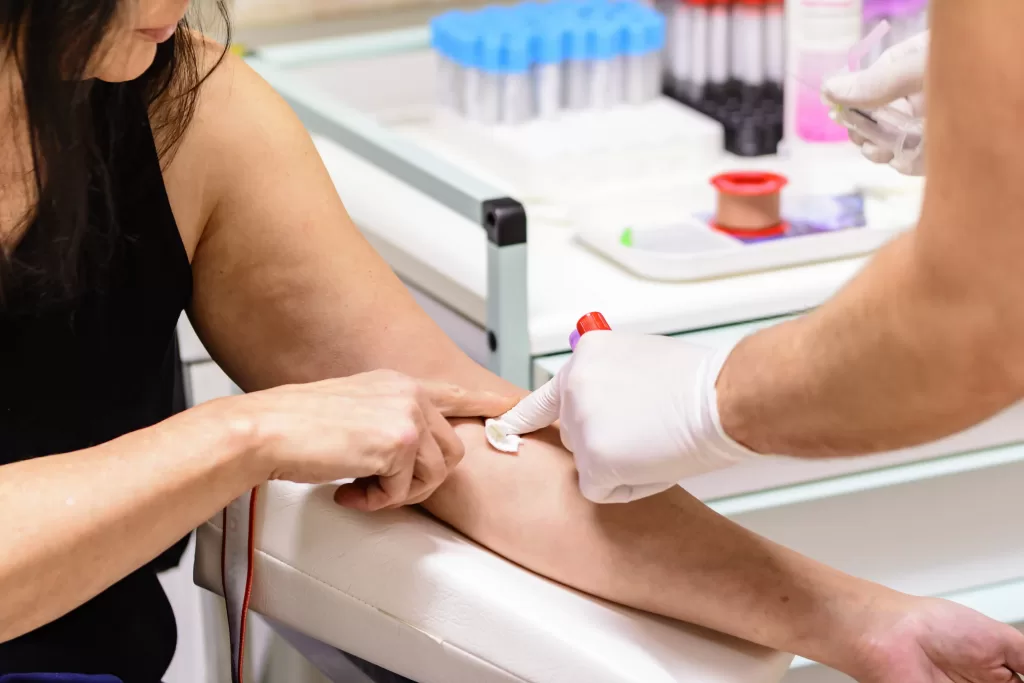
Commonly, to have an HIV test, you see your GP who orders a blood test and refers you to a pathology clinic. There, a sample of blood is taken from your vein, and you can get results back from your GP in 2-3 days.
Barriers to Traditional HIV Testing
Going into a clinic to have an STI screen, including a blood test, can be stressful for some people. Others are time-poor or may feel ashamed to bring it up with their doctor. Some do not have Medicare or health insurance and are not aware of testing services. For others, they may have many partners or be at very high risk of HIV, and having to go into a clinic every few weeks for a consultation can be laborious and costly.
If you would like to request a referral for a HIV test, you can request one online through Qoctor’s STI test consultation.
HIV Self-testing: A convenient alternative
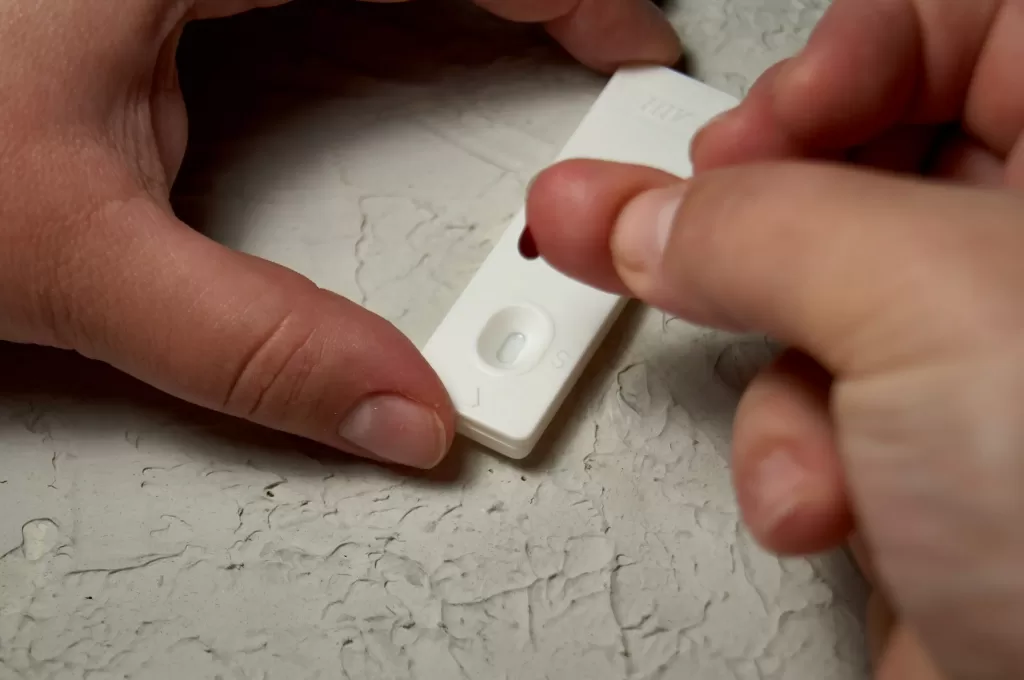
For these people, HIV self-testing can prove a solution. The self-test can be bought online or in pharmacies without a referral or prescription. You can do the self-HIV test at home, and it is 99.6% accurate.
It involves a finger prick and dropping a bit of blood into a test strip, similar to a pregnancy test or COVID-19 rapid antigen test. You wait approximately 15 minutes and then read your result.
If the test is negative, it is very unlikely you have HIV. If the test is positive, the recommendation is to see a doctor or healthcare provider who will discuss it with you and suggest a venous blood sample to clarify the result.
Importance of early HIV treatment
HIV today is a manageable condition with excellent outcomes if treatment is started early. The earlier treatment is started, the longer and healthier your life will be, and the risk of transmitting HIV to other partners becomes minimal. In fact, if your viral load is undetectable, you cannot transmit HIV to others.
HIV self-testing is known to improve testing rates for those who are infrequent or non-testers. It is easy, can be done privately, and tests are affordable. Not many people know about it, so share this information with your friends and acquaintances.
Sinus Infection: Symptoms, How Long It Lasts, and When You Need a Doctor
Sinusitis, often called a sinus infection, is one of the most common reasons Australians start to feel wretched for a week or two after a cold. The good news is [...]

Can You Get a Free Medical Certificate in Australia?
An honest answer from a GP: mostly no, but there are some genuinely free routes, and they are worth knowing about. This page explains where free or bulk-billed certificates really exist, why online [...]

Can You Get a Medical Certificate from a Pharmacy or Chemist Warehouse?
Pharmacy Medical Certificates in Australia: Rules, Limits and Costs If you wake up unwell and need proof for work, the local pharmacy can sometimes help. Pharmacists in Australia can [...]

Medically reviewed by Dr Aifric Boylan
MB · BCH · BAO · MICGP · FRACGP · DRCOG · DCH
About Dr Aifric Boylan MB BCh BAO MICGP FRACGP DRCOG DCH Fellow of the Royal Australian College of General Practitioners, Dr Aifric Boylan is a general practitioner with more than 20 years' experience. She graduated in medicine from…
This health information has been clinically reviewed by an Australian doctor. Qoctor health pages are reviewed to support clear, evidence-informed guidance; they do not replace individual medical advice.
Telehealth is not suitable in all medical situations — patients will be advised if an in-person assessment is needed. In an emergency, call 000.