


Herpes zoster, known as shingles, is caused by the reactivation of the varicella-zoster virus, the same virus responsible for chickenpox. In Australia, significant strides have been made in preventing this painful condition through effective vaccination strategies.
Understanding shingles
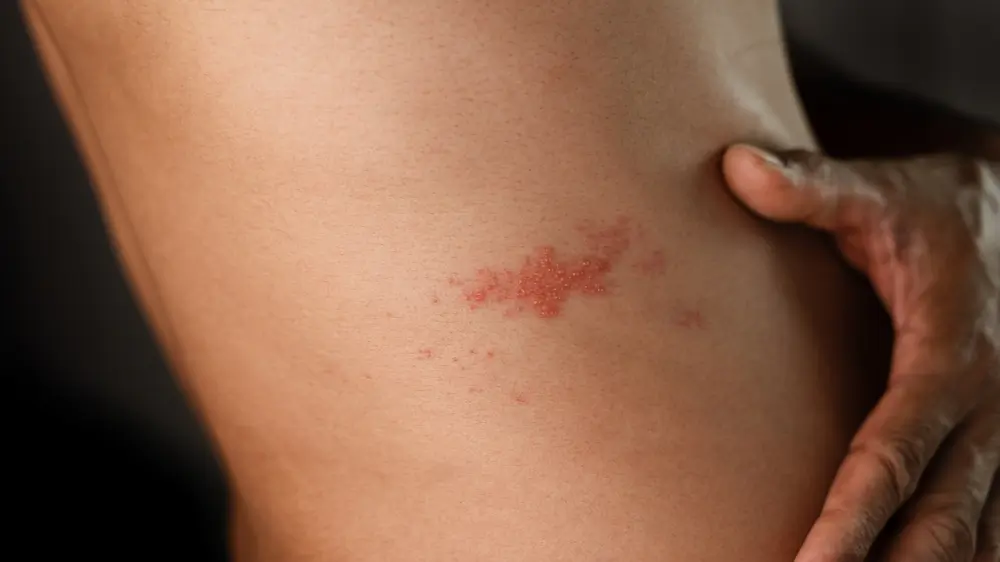
Shingles typically presents as a painful rash that may blister and can appear anywhere on the body but often forms a single stripe on either side of the torso. It is caused by the reactivation of the varicella-zoster virus in individuals who have recovered from chickenpox. Risk factors for developing shingles include age, weakened immunity, and physical or emotional stress.
In response to the increased risk of shingles and its complications among older adults and immunocompromised individuals, the Australian National Immunisation Program (NIP) advises vaccination in certain groups of people:
Shingrix Vaccine:
- For Immunocompetent Adults: Adults aged 50 years and older are recommended to receive two doses of Shingrix, 2 to 6 months apart.
- For Immunocompromised Adults: Those aged 18 years and above should receive two doses at a 1 to 2-month interval.
- Shingrix is provided free under the NIP for all adults aged 65 years, Aboriginal and Torres Strait Islander people aged 50 years and above, and selected groups aged 18 years and above with severe immunocompromise.
Zostavax Vaccine:
- A single dose is recommended for immunocompetent adults aged 50 years and over.
- Zostavax is contraindicated for individuals with severe immunocompromise and is no longer used under the NIP due to its live attenuated nature and the availability of Shingrix.
Why vaccination is critical
The lifetime risk of developing shingles for individuals living to 80 years is approximately 50%. Immunocompromised individuals face even higher risks and more severe complications. Vaccination significantly reduces the incidence of shingles and its most common complication, postherpetic neuralgia, a chronic pain condition that can persist after the rash resolves.
Shingrix: The preferred vaccine
- Effectiveness: Shingrix has shown over 90% effectiveness in preventing shingles and postherpetic neuralgia. It remains effective across all age groups and for several years post-vaccination.
- Administration: Shingrix is administered via intramuscular injection, typically in the deltoid muscle. The interval between the first and second doses can be extended beyond 6 months without affecting vaccine efficacy.
Zostavax: Usage considerations
- Administration: Zostavax is administered as a single 0.65 mL dose by subcutaneous injection.
- Co-administration with other vaccines: Zostavax can be administered with other inactivated vaccines on the same day or at any time apart. However, live vaccines should be administered at least 4 weeks apart.

Precautions and contraindications
- Individuals who have experienced anaphylaxis due to vaccine components or a previous dose of Shingrix or Zostavax should not receive these vaccines.
- Zostavax is not recommended for people who are immunocompromised or shortly expected to be due to the risk of disseminated VZV infection.
Supporting Resources
Shingles vaccination is a critical health measure for eligible Australians, particularly given the severe potential complications of the disease. With the availability of effective vaccines like Shingrix, individuals can significantly reduce their risk of developing shingles and experiencing long-term pain. Australians are encouraged to discuss their vaccination options with healthcare providers to ensure optimal protection against this painful condition.
Sinus Infection: Symptoms, How Long It Lasts, and When You Need a Doctor
Sinusitis, often called a sinus infection, is one of the most common reasons Australians start to feel wretched for a week or two after a cold. The good news is [...]

Can You Get a Free Medical Certificate Online in Australia?
An honest answer from a GP: mostly no, but there are some genuinely free routes, and they are worth knowing about. This page explains where free or bulk-billed [...]

Can You Get a Medical Certificate from a Pharmacy or Chemist Warehouse?
Pharmacy Medical Certificates in Australia: Rules, Limits and Costs If you wake up unwell and need proof for work, the local pharmacy can sometimes help. Pharmacists in Australia can [...]
Clinical review & governance

Medically reviewed by Dr Ali Zavery
Dr. Aliasgar Zavery BSc (hons) MBBS MRCGP FRACGP DCH Dr Aliasgar (Ali) Zavery is originally from Nottingham, England. He trained at Guy's, King's and St Thomas' Hospitals in London, qualifying in 2003. He worked as a GP partner…
This health information has been clinically reviewed by an Australian doctor. Qoctor health pages are reviewed to support clear, evidence-informed guidance; they do not replace individual medical advice.
Telehealth is not suitable in all medical situations — patients will be advised if an in-person assessment is needed. In an emergency, call 000.