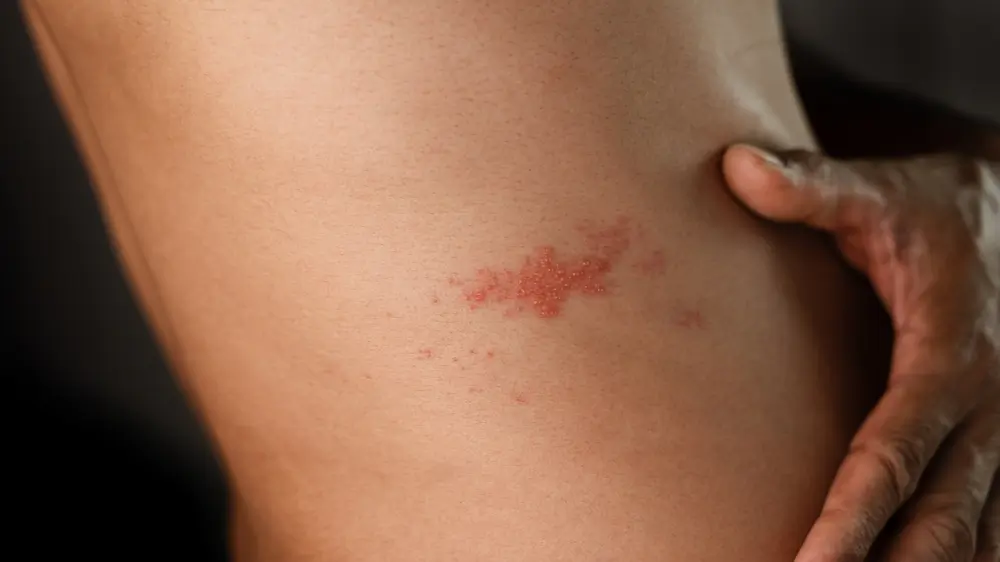


Herpes Zoster, commonly known as shingles, is caused by the reactivation of the varicella-zoster virus, the same virus that causes chickenpox. After a person recovers from chickenpox, the virus can remain dormant in nerve tissue, and reactivate years later as “shingles”. Symptoms include a painful rash that usually appears as a stripe of blisters on one side of the body or face. Other symptoms can include fever, headache, and fatigue. Shingles is more common in older adults and those with weakened immune systems. Treatment involves antiviral drugs, though needs to be started early in the infection, to deliver benefits. A shingles vaccine is also available and recommended to reduce the risk of developing the condition and its complications, such as postherpetic neuralgia, a form of chronic nerve pain.

A Guide to Shingles Vaccination in Australia
Herpes zoster, known as shingles, is caused by the reactivation of the varicella-zoster virus, the same virus responsible for chickenpox. In Australia, significant strides have been made in preventing this painful condition through effective vaccination strategies. Understanding shingles Shingles typically presents as a painful rash that may blister and [...]