


Human papillomavirus (HPV) is an extremely common sexually transmitted infection. It is spread mainly through intimate skin-to-skin contact, including genital contact that does not involve penetrative sex.
Most sexually active people will be exposed to HPV at some point in their lives. The Australian Immunisation Handbook estimates that up to 90% of the general population will be infected with at least one genital type of HPV during their lifetime. In most people, the immune system clears the infection without symptoms or long-term problems
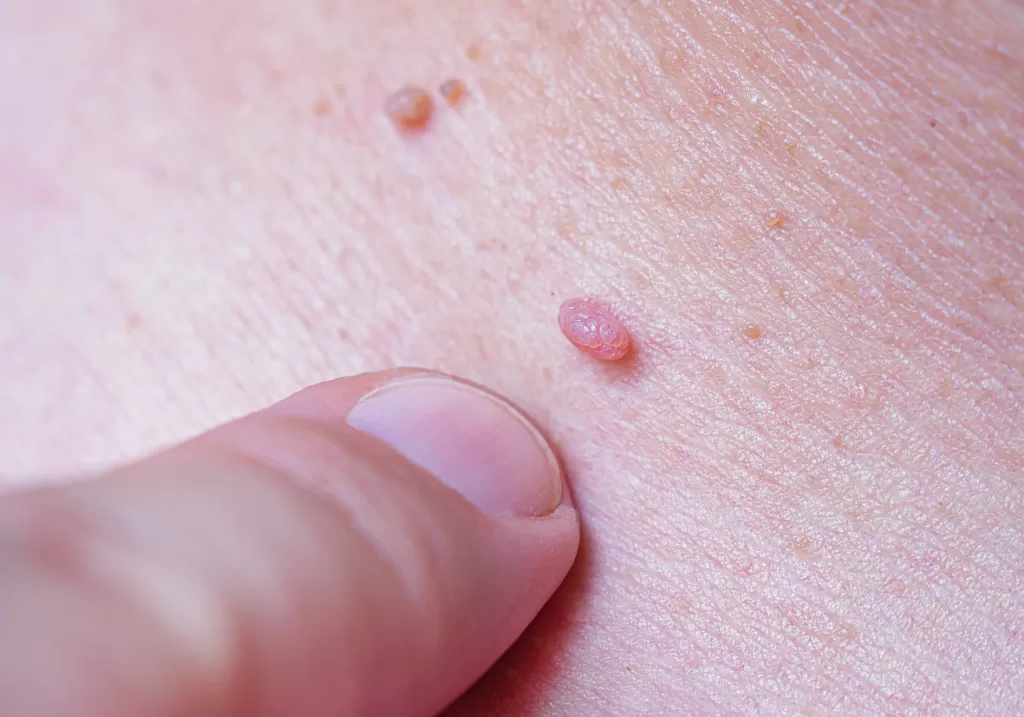
Types and transmission of HPV
There are many different types of HPV. Some are considered low-risk and may cause genital warts, while others are considered high-risk because persistent infection can contribute to the development of cancer.
HPV can cause cancers of the cervix, anus, penis, vulva, vagina and oropharynx (the back of the throat), including the tonsils and base of the tongue.
HPV is spread through intimate skin-to-skin contact and contact with genital skin or secretions. Penetrative sex is not required for transmission.
Condoms reduce the risk of HPV transmission but do not provide complete protection because HPV can infect areas of skin that are not covered by a condom. Exposure can occur from a single sexual partner.
Most HPV infections cause no symptoms and clear naturally. In some people, however, HPV infection persists and may lead to genital warts, precancerous cell changes or cancer.
Testing and Diagnosis
There is currently no approved routine screening test for HPV in men. Genital warts are generally diagnosed clinically by examining the affected area.
For women and people with a cervix, HPV testing is part of Australia’s National Cervical Screening Program.
People with a cervix aged 25 to 74 are generally invited to have a Cervical Screening Test every five years. The test looks for HPV types associated with cervical cancer.
Many people now also have the option to self-collect their Cervical Screening Test sample using a vaginal swab. Self-collected and clinician-collected samples are both accurate for detecting HPV in eligible screening participants. Some people, including those with certain symptoms or clinical histories, still require clinician-collected testing or additional assessment.
If you have symptoms such as unusual vaginal bleeding, pain or abnormal discharge, cervical screening alone may not be appropriate and you should speak to a healthcare professional.
Due to get a general STI screen? Bulk-billed STI testing and treatment is available through our sister service, Doctors for STI Testing. Learn about STI testing.
HPV Vaccination in Australia
Australia introduced its national HPV vaccination program in 2007, initially for girls, with boys added to the program in 2013.
The program has produced substantial reductions in vaccine-targeted HPV infections, genital warts and cervical abnormalities in Australia.
The vaccine currently used through Australia’s National Immunisation Program is Gardasil 9, which protects against nine HPV types, including HPV types responsible for most HPV-related cancers and the HPV types responsible for most genital warts.
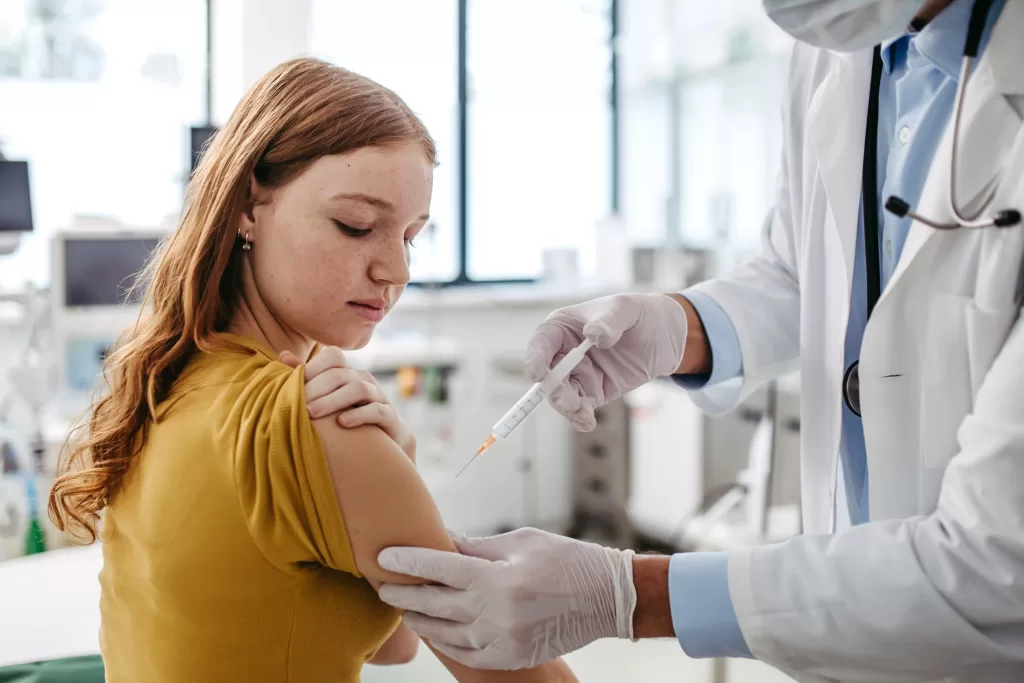
Vaccination is ideally given before exposure to HPV, which is why it is routinely offered to adolescents at around 12–13 years of age, usually through school-based vaccination programs.
Who should have the HPV vaccine?
Current Australian guidance recommends HPV vaccination for:
- immunocompetent people aged 9–25 years
- people with significant immunocompromising conditions
- men who have sex with men who have not previously been adequately vaccinated.
For most immunocompetent people aged 9–25, the recommended schedule is now one dose.
HPV vaccination is available free under the National Immunisation Program for routine adolescent vaccination and eligible catch-up vaccination up to and including age 25.
Adults aged 26 years and over are not routinely recommended HPV vaccination. However, some adults may benefit depending on their previous HPV exposure and their likelihood of future exposure. Men who have sex with men are recommended to receive HPV vaccination at any age if they have not previously been appropriately vaccinated.
Vaccination does not treat or clear an existing HPV infection, but it may still protect against HPV types a person has not previously encountered.
If you are over 25 and wondering whether HPV vaccination is worthwhile for you, discuss your individual circumstances with your GP.
HPV vaccine dosing
For immunocompetent people aged 9–25, the recommended schedule is:
1 dose of HPV vaccine.
For people starting vaccination at 26 years or older, where vaccination is considered appropriate:
3 doses, usually at 0, 2 and 6 months.
People with significant immunocompromising conditions require a 3-dose schedule regardless of age.
Your GP or vaccination provider can check your vaccination history and advise which schedule applies to you.
Side effects and safety of the HPV vaccine
HPV vaccination is generally well tolerated.
Common side effects include:
- pain, redness or swelling at the injection site
- mild fever
- headache
- nausea.
These effects are usually mild and settle within a few days.
Gardasil 9 does not contain live HPV and cannot cause HPV infection or HPV-related cancer.
HPV vaccination is not routinely recommended during pregnancy, although it can be given while breastfeeding.
Do you still need cervical screening after HPV vaccination?
Yes.
HPV vaccination greatly reduces the risk of infection with the HPV types responsible for most cervical cancers, but it does not protect against every cancer-causing HPV type. People with a cervix should therefore continue to participate in the National Cervical Screening Program even if they have been fully vaccinated.
When should you speak to a doctor?
Consider speaking to a doctor if you:
- notice genital or anal warts
- have questions about possible HPV exposure
- are unsure whether you have completed HPV vaccination
- are aged over 25 and want to discuss whether vaccination may still be appropriate
- are due or overdue for cervical screening
- have abnormal bleeding, pain or discharge
- have concerns about HPV-related cancer risk.
A doctor can discuss your individual circumstances and advise whether examination, cervical screening, vaccination or another form of assessment is appropriate.
Resources and support
Australian Immunisation Handbook — Human papillomavirus (HPV)
https://immunisationhandbook.health.gov.au/contents/vaccine-preventable-diseases/human-papillomavirus-hpv
Australian Immunisation Handbook — HPV vaccination for adults aged 26+
https://immunisationhandbook.health.gov.au/recommendations/adults-are-not-routinely-recommended-to-receive-hpv-vaccine
Australian Government — National Cervical Screening Program
https://www.health.gov.au/our-work/national-cervical-screening-program/about-the-national-cervical-screening-program
Australian Government — Self-collection for cervical screening
https://www.health.gov.au/our-work/NCSP-healthcare-provider-toolkit/cervical-screening-options/self-collection-for-cervical-screening
Australian Government — How cervical screening works
https://www.health.gov.au/our-work/national-cervical-screening-program/getting-a-cervical-screening-test/how-cervical-screening-works
Sinus Infection: Symptoms, How Long It Lasts, and When You Need a Doctor
Sinusitis, often called a sinus infection, is one of the most common reasons Australians start to feel wretched for a week or two after a cold. The good news is [...]

Can You Get a Free Medical Certificate Online in Australia?
An honest answer from a GP: mostly no, but there are some genuinely free routes, and they are worth knowing about. This page explains where free or bulk-billed [...]

Can You Get a Medical Certificate from a Pharmacy or Chemist Warehouse?
Pharmacy Medical Certificates in Australia: Rules, Limits and Costs If you wake up unwell and need proof for work, the local pharmacy can sometimes help. Pharmacists in Australia can [...]
Clinical review & governance

Medically reviewed by Dr AIFRIC BOYLAN
CEO
About Dr Aifric Boylan MB BCh BAO MICGP FRACGP DRCOG DCH Fellow of the Royal Australian College of General Practitioners, Dr Aifric Boylan is a general practitioner with more than 20 years' experience. She graduated in medicine from…
This health information has been clinically reviewed by an Australian doctor. Qoctor health pages are reviewed to support clear, evidence-informed guidance; they do not replace individual medical advice.
Telehealth is not suitable in all medical situations — patients will be advised if an in-person assessment is needed. In an emergency, call 000.