

The signs of Sleep Apnoea
Obstructive Sleep Apnoea or OSA (pronounced ” sleep apnia”, and spelt “sleep apnea” in the U.S) is a breathing condition that affects people when they sleep. It’s common – as many as 4 in 5 cases are undiagnosed! Relatives of people who have the condition are at greater risk, as are people who are above their target weight. Sufferers stop breathing for a while and their oxygen levels drop. It can affect people of any age and usually leads to disrupted unrefreshing sleep – people with sleep apnoea end up feeling tired and lacking concentration. Road traffic accidents are commoner in sufferers as a result.

Other problems thought to be encountered more commonly by people with sleep apnoea are:
- depression
- loss of libido or erectile dysfunction
- possible learning disabilities in childhood
- high blood pressure (hypertension)
- heart rhythm problems
- diabetes
- high cholesterol (hyperlipidaemia)
- thyroid problems
- polycystic ovarian syndrome (in females)
- heart attack/stroke
- sudden death
Co-sleepers (wife/husband/partner) will often describe episodes of breath-holding followed by gasping or choking. They also usually complain that the sufferer is a snorer. Children with sleep apnoea aren’t always as tired as adults with sleep apnoea. They tend to snore or breathe loudly when asleep, sometimes they’ll start wetting the bed where previously they did not, often they’ll sleep more upright or with their neck extended, sometimes they complain of headaches and sometimes they have learning or behavioural disorders. They may be overweight or underweight.
Getting tested for sleep apnoea
If you think you may have sleep apnoea you can get a referral to see a specialist via qoctor.com.au – there you will complete a basic online assessment and, if appropriate, be referred to see a specialist for further testing. This may involve staying overnight at a testing facility to have your breathing monitored.
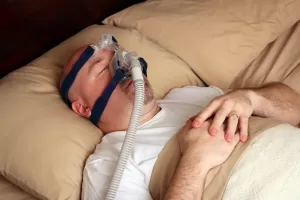
Management of OSA often involves use of a C-PAP (Continuous Positive Airways Pressure) machine or certain oral appliances to depress the tongue. Other approaches include weight-loss, quitting smoking, and avoiding night sedatives including alcohol and sleeping tablets. Some people end up needing operations if appropriate – for example tonsillectomy. Successfully treated patients tend to report considerable improvement in their tiredness and increase in their quality of life.

Heading to a warm destination? Know the signs of dengue
Heading to a warm destination? Know the signs of dengue Dengue is a virus that is carried by mosquitoes. When the specific type of mosquito that carries the virus [...]
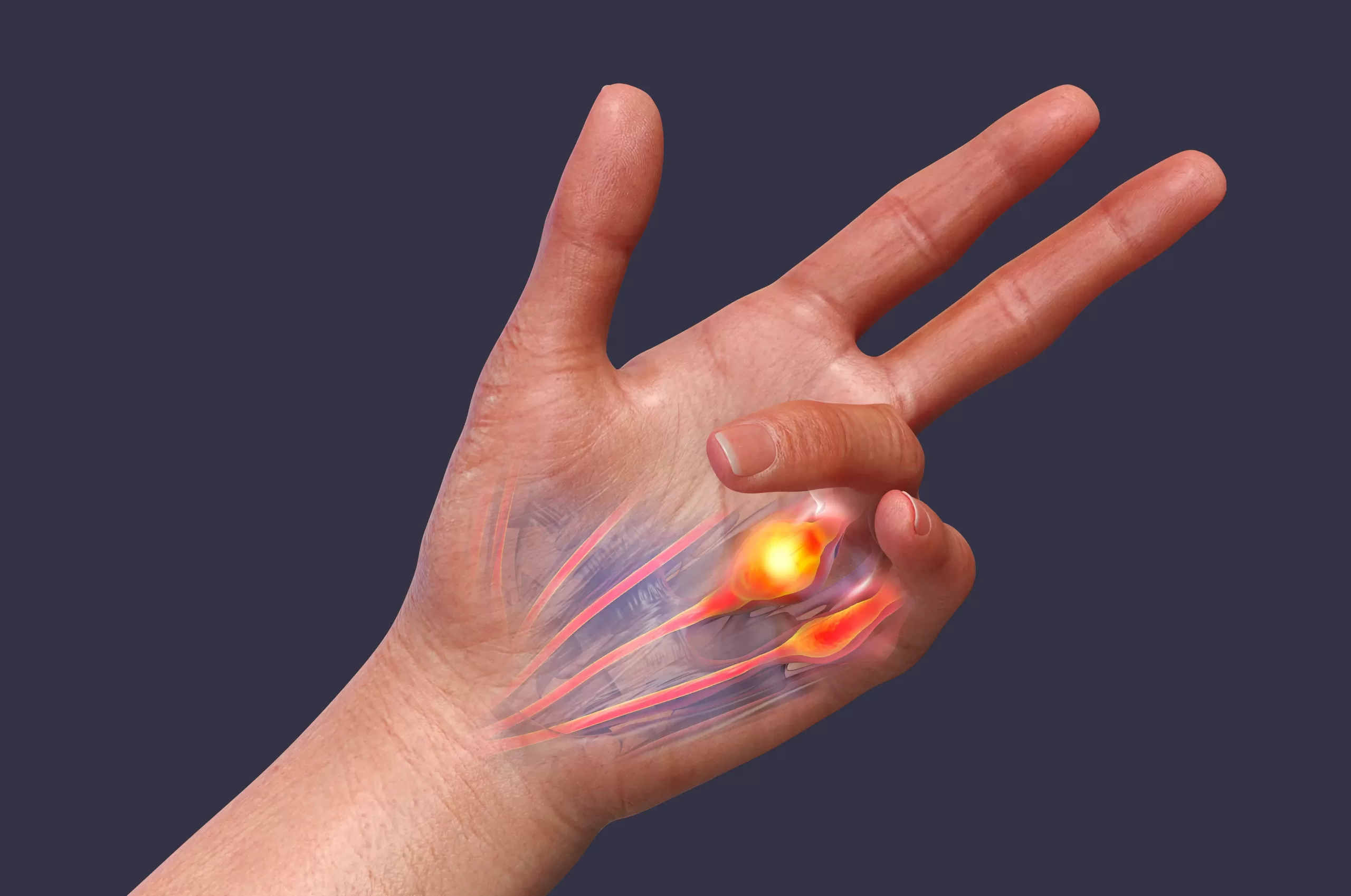
Dupuytren’s Contracture
Dupuytren’s Contracture Dupuytren’s contracture is a condition that causes thickening of tissue in the palm of the hand, particularly over the bands that flex the middle, ring and pinky [...]