


Symptoms of Ross River Fever
In the past year or two there has been more media coverage and public awareness in Australia regarding the Ross River Virus. But what exactly is it and who can get infected?
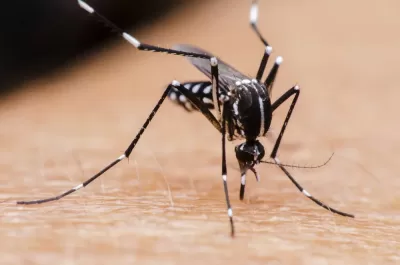
Ross River Fever is an illness caused by a type of virus called an “arbovirus”. It is most common in summer and autumn. It’s spread by mosquitoes that bite an infected animal, and then bite a human (you can’t catch it from contact with an infected person). Many people who are infected with Ross River Virus don’t know they have it- they feel well and never develop symptoms. However, others may experience symptoms 7-10 days after being bitten.

So what are the symptoms of Ross River Fever?
- Flu-like symptoms such as fevers, chills, headaches, muscle and joint aches.
- Joint swelling and stiffness which may be more noticeable in the morning.
- A general feeling of unwellness, tiredness or weakness
- A rash on the trunk and limbs, which usually lasts 7 to 10 days.
How long does it take to get better?
Most people will feel better after around a week. But some may feel tired, achey and out of sorts for a few weeks or even months. Of course, tiredness and aches can signify quite a number of different illness, so it’s important to discuss your concerns with a doctor.
How can I prevent Ross River Virus?
Avoiding mosquito bites is the best protection, particularly in areas of Australia where infection rates are higher, such as rural New South Wales. However, outbreaks can happen anywhere if the weather is favourable for mosquitoes to breed. So, the usual advice applies- cover your arms and legs when outdoors in the evenings, and wear insect repellent on exposed skin. The most effective mosquito repellents contain Diethyl Toluamide (DEET) or Picaridin. Products containing oil of lemon eucalyptus (OLE, also known as Extract of Lemon Eucalyptus) or para menthane diol (PMD) are also effective. Insect repellent should be applied after sunscreen. Also, DEET-containing repellents may reduce the sun protection factor (SPF) of sunscreens so you may need to re-apply your sunscreen more often. Avoiding mosquito bites will also help protect against less common viruses such as Barmah Forest Virus and Murray Valley Encephalitis.
How is Ross River Fever diagnosed, and is there a vaccine or a cure?
It’s diagnosed by having a blood test which a GP can arrange. At this point, there is no vaccine. Nor is there any specific treatment aside from rest and painkillers. If you are concerned you might be infected by the Ross River Virus, you should discuss your concerns with your GP.

Osteitis Pubis
Osteitis Pubis Osteitis pubis is an inflammation in the joint at the front of your pelvis, just above your genitals. The pubic joint, its cartilage and the surrounding muscles [...]

Electroencephalogram (EEG test)
Electroencephalogram (EEG test) You may have heard of an investigation called an ECG before, which is a test for the electrical conduction of your heart. But did you know [...]

Meniscus tear
Meniscus tear The meniscus is cartilage in the knee that helps with cushioning of the joint during impact, such as running and twisting. A meniscal tear can occur when [...]
