


Acne treatment
- Online assessment and treatment for mild to moderate acne, by an AHPRA-registered Australian doctor via video consultation.
- Suits new breakouts, ongoing acne needing a treatment change, or repeat prescriptions for treatments that are working. Repeats available, subject to assessment.
- $29.99 consultation, same-day appointments 7 days. If prescribed, your eScript goes to your phone or straight to your pharmacy.
Telehealth isn’t suitable for every situation. If your acne is severe, cystic or scarring, the doctor will advise you and can provide a referral to a dermatologist, which is often the best next step for stronger treatment.
About Acne
- Acne is very common in the teens and twenties, but can persist or first appear in adulthood, particularly in women, where hormonal factors often play a role.
- It typically affects the face, and often the chest, back and shoulders too.
- Severity ranges from occasional spots to widespread inflamed lesions, and untreated acne can cause permanent scarring, which is why treating it early matters.
- Effective treatment usually starts with prescription creams or gels, adding oral medication or hormonal therapy where needed. Severe, cystic or scarring acne warrants referral to a dermatologist.
FAQs about acne & acne medication
While not always require, it often helps. Acne severity guides treatment choice, so the doctor will usually ask to see the affected areas on camera where possible; good lighting makes this easier. If your acne is on your back or chest, you can share photos or describe the appearance. A visual assessment is part of what can make a video consultation genuinely useful, and may help the doctor confirm whether online treatment is right for you, or whether a dermatologist referral might serve you better.
Yes, this is one of the most common reasons people use the service. If you’re on a treatment that’s working and you just need a repeat, a Qoctor doctor can reassess you by video and, where appropriate, issue a repeat prescription in the same consultation, with an eScript sent to your phone straight away. It’s also a good moment to mention anything that’s changed, like new irritation or breakthrough spots, so the doctor can adjust the plan if needed.
The video consultation is $29.99, which includes the doctor’s assessment and, where clinically appropriate, a prescription sent as an eScript to your phone or to your chosen pharmacy. Repeat prescriptions are available subject to assessment, at the same consultation fee. If you choose medication delivery through a partner pharmacy, the medication cost is added at checkout. There is no Medicare rebate for the consultation, and no subscription is required: the price you see is the price everyone pays. If the doctor assesses that online treatment isn’t appropriate for you, they will advise you on the right next step.
- Acne is a common skin condition which leads to spots on the face, back and chest- it is most common in the teens and twenties, though some people also get it later in life.
- Normal skin has “sebaceous glands” which produce natural oils.
- During puberty, the skin produces more of these oils, which may cause blockage of the sebaceous glands.
- The trapped oils in the glands allow bacteria (Propionibacterium acnes) to multiply. Dead skin cells may also build up in the pores.
- This in turn results in an immune reaction, inflammation and infection in the skin.
- Experts are not sure why some people get acne while others don’t, but there seem to be some factors involved, including: hormonal changes during puberty, PCOS (polycystic ovarian syndrome), other hormonal disorders, smoking, stress, exhaustion, using oily skin products, family history of acne.
- Some medications may make acne worse, such as progesterone only contraceptives, steroid creams (used in eczema), anabolic steroids, Lithium and some antiepileptic medications.
- It is not certain whether diet has any effect on acne, though some people find that cutting down on processed meats and refined carbohydrates may help. Others report that eliminating milk-based products helps, though there is no clear scientific evidence this is effective for most people. There is also no evidence about any benefits from vegan or vegetarian diets, or from taking probiotics.
Acne is common, but only one in five people with acne get scarring. Scarring is caused when the affected skin pore swells and breaks down into the surrounding tissue. The skin responds to repair the area, by forming new fibrous tissue, “collagen”. Scars can form in different ways: if there is a loss of tissue in the area, this can leave an indentation, such as “ice pick scars”, “rolling scars” or “boxcar scars”. A raised scar can form where too much collagen is produced- these are also referred to as hypertrophic or keloid scars.
Regardless of the type of scar, there are treatments available if necessary, so if you are troubled by acne scars you can discuss your options with a GP or dermatologist.
If at any time your acne seems severe or uncontrolled, especially if you have large painful acne cysts, it’s important to speak to a doctor, as you may benefit from a referral to see a dermatologist to get stronger treatment, to prevent further lesions and scarring.
The online doctors at Qoctor can offer assessment for acne that is mild to moderate.
Every person is different. Some people can successfully manage their acne with over-the-counter creams and gels from the pharmacy. Others may need stronger prescription-only creams and gels. These treatments work in a variety of ways, and depending on the type of acne spots, certain ones may be more effective.
Non-inflammatory lesions:
- Whiteheads or “closed comedones”- these are closed, oil-plugged pores.
- Blackheads or “open comedones” -these are open plugged pores — the oil turns brown when it is exposed to air.
Inflammatory lesions:
- Papules- these are small, sore red bumps
- Pustules- these are also known as pimples, and are papules containing pus
- Nodules- these are large, solid, painful lumps under the skin
- Cysts- these are large, painful, pus-filled lumps under the surface of the skin
Benzoyl Peroxide and Salicylic Acid
The most commonly used over-the-counter cream is Benzoyl Peroxide- a big advantage of this product is that bacteria don’t get resistant to it over time. It can help a variety of the lesions described above, particularly if used with a retinoid cream/gel (see below). It’s also often used with antibiotic creams or pills to stop bacterial resistance developing. Salicylic acid is also present in quite a few over the counter creams, cleansers and face-washes- it breaks down comedones, and may be of some benefit.
Retinoids and Topical Antibiotics
Prescription-only topical treatments known as “retinoids” are used in mild to moderate acne- they can prevent the formation of comedones (blackheads and whiteheads). They may also be helpful against inflammatory lesions such as papules and pustules. They may be recommended by themselves for non-inflammatory acne (comedones), but WITH antibiotics if there is inflammatory acne present (papules, pustules). They can be helpful also when oral treatments are being stopped, to try to maintain any improvements achieved. Topical antibiotic preparations are used for mild to moderate inflammatory or mixed acne, but it’s usually recommended they are used along with Benzoyl Peroxide to prevent antibiotic resistance.
Please note, all treatment and advice is issued subject to your consultation and the doctor’s assessment.
Several different oral antibiotics are commonly used for the treatment of mild to moderate acne. These may be tried when topical acne treatment (acne creams and gels) have not worked, or have caused side effects.
Start here to book an appointment with one of our online doctors to discuss management of acne.
In some girls and women the pill (or COCP) can be used in the management of acne. The pill reduces the amount of “androgens” (male sex hormones) circulating in the body. Androgens are present in the female body, and may be associated with acne, as they cause the skin to produce more “sebum” (oils), particularly during puberty. The pill can address this. It is important to note that the “mini pill” or “progesterone only pill” does not reduce circulating androgens, thus does not appear to help acne in this way. Also, different brands and formulations of the COCP exist, and different ones may be more effective than others, in different individuals.
Some women find the pill doubly useful as a way to manage their contraception needs as well as their acne.
To book a consultation with a doctor to discuss the pill, start here.
Please note, all treatment and advice is issued subject to your consultation and the doctor’s assessment.
The online doctors at Qoctor can assess you for suitability to be referred to see a dermatologist for acne assessment and management. Please note, all treatment and advice is issued subject to your consultation and the doctor’s assessment. The fee for a telehealth appointment is $29.99. Start HERE.
What can a dermatologist do for acne?
A dermatologist can assess your acne and may choose to prescribe many of the same treatments (creams, gels, antibiotics) that may be prescribed by a GP, but a dermatologist can also offer additional advice and management options for acne that is not well controlled. Dermatologists can prescribe Isotretinoin (Roaccutane), as well as other specialist treatments for acne scars. It is important to consider seeing a dermatologist if you have bad acne that is not responding to treatment, particularly if scars are occurring.
Health Library- Acne
Learn more about acne- the various types of acne medications and which acne treatment works for which type of lesion.
Understanding PCOS- the key facts
What is PCOS and how is it diagnosed? symptoms & diagnosis related health issues treatment Around 1 in 10 women are thought to have “polycystic ovarian syndrome” , also known as PCOS - so it’s pretty common. There are a few ways to make a proper diagnosis of PCOS- one of the most common methods states that at least 2 of the following features need to be present: (a) polycystic ovaries - lots of small cysts on the ovaries, as seen on a pelvic ultrasound scan (b) raised level of male hormones such as testosterone – this can be checked by a blood test (c) reduced ovulation (this usually means having few or no periods) It’s also necessary for your doctor to rule out any other medical conditions that can cause problems similar to the symptoms of PCOS You can have [...]
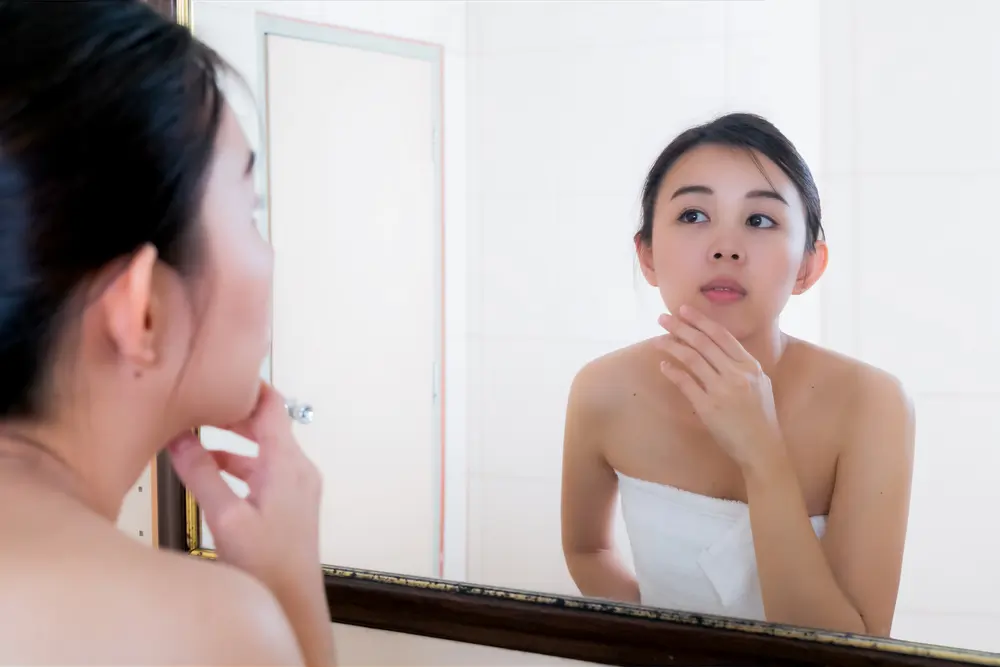
Acne creams and gels: which work best, and how to get the most from them
Introduction Acne is a very common skin condition. It is most prevalent in the teens and twenties, but it can persist or first appear in adulthood. There are many effective treatment options: most people start with products from a pharmacy, and if these don't work, a doctor can prescribe stronger creams and gels, oral antibiotics, or hormonal therapy such as the contraceptive pill in women. If acne is severe, cystic or scarring, a dermatologist's input is recommended. With so many products available, it helps to know what kind of acne you have, because different treatments target different lesions. What are the types of acne lesion? Non-inflammatory lesions: Whiteheads ("closed comedones"): closed, oil-plugged pores. Blackheads ("open comedones"): open plugged pores; the oil darkens when exposed to air. Inflammatory lesions: Papules: small, sore red bumps. Pustules: pimples; papules containing pus. Nodules: large, solid, [...]