


GORD – 10 things that may cause acid reflux
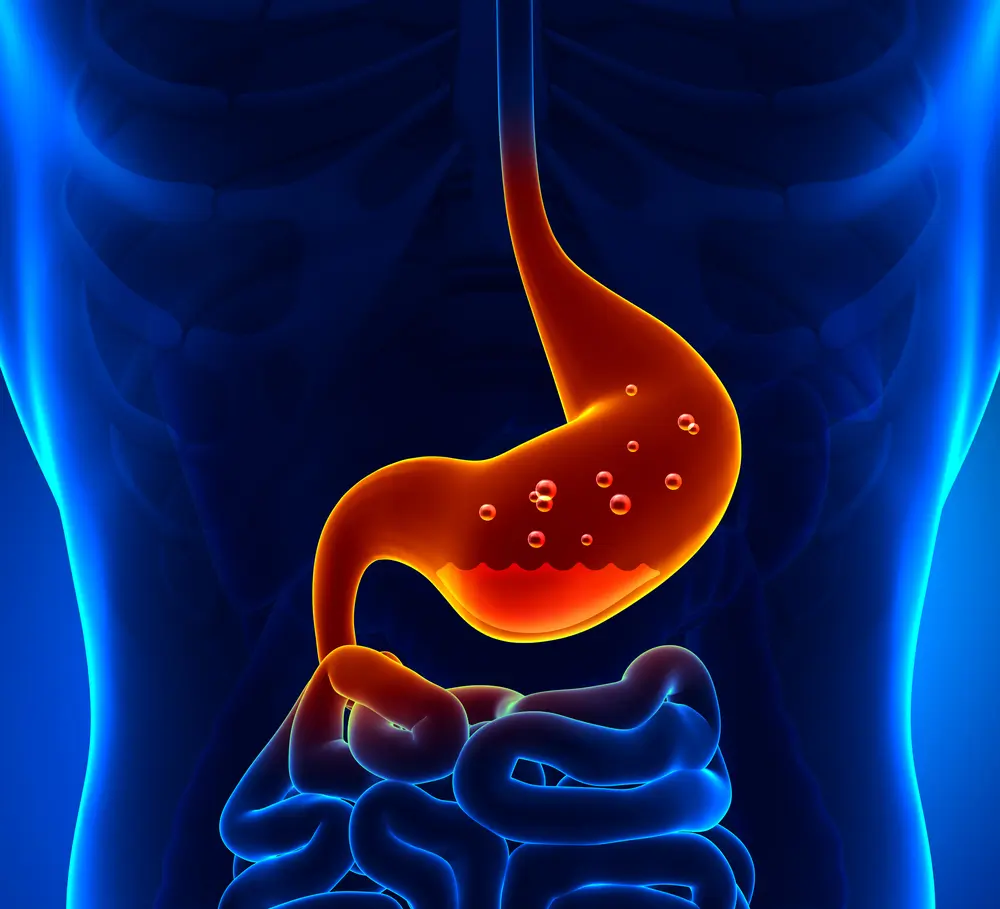
Gastro-oesophageal Reflux, often referred to as GORD or simply “acid reflux”, is caused when acid passes from the stomach back up into your gullet (oesophagus). The stomach naturally makes acid as part of the normal digestion process. Usually the sphincter at the bottom of the oesophagus acts as a valve and keeps this acid in the stomach. Acid reflux can happen if this sphincter is weak, if there is too much acid made in the stomach, if the stomach is not emptying properly, or if there is increased pressure in the stomach, forcing acid back up into the oesophagus.
Here are 10 common triggers for GORD:
Smoking
Nicotine seems to weaken the sphincter in the lower oesophagus, allowing acid reflux to occur. Smoking can also reduce the amount of saliva (spit) you make, which may have an effect. And smokers tend to cough more, which can force acid back up into the oesophagus.
Caffeine
Coffee seems to increase acid production in the stomach. It may also slow down the emptying of food from the stomach after a meal, as well as causing the sphincter at the bottom of the oesophagus to relax. All these factors can contribute to acid reflux. While caffeine is mainly to blame, it seems other ingredients in coffee may have a role too. Other caffeinated products like tea and chocolate can worsen reflux in a similar way.
Alcohol
Alcohol can be quite irritating to the lining of the oesophagus and stomach. It may also have an effect on function of the stomach and the oesophageal sphincter, as well as the amount of acid produced by the stomach.
Hiatus Hernia
A hiatus hernia is when part of the stomach pushes up into the lower chest through a weakness in the diaphragm. The diaphragm is the large flat muscle that separates the chest from the abdomen. Not everyone with a hiatus hernia will have symptoms, but GORD is more likely.
Acidic or spicy food and drink
Obviously, any foods that are acidic or spicy can exacerbate GORD. This include citrus fruits, fizzy drinks, hot curries or food containing a lot of chilli! They are best reduced or avoided if you tend to get acid reflux.
Large fatty meals
While some people seem to get worsening of reflux after eating fatty foods, others are not troubled so much. Research suggests fatty foods might cause the lower oesophageal sphincter to relax in some individuals.
Obesity
Obesity can make GORD worse as there is more pressure on the stomach, pushing stomach contents back up into the oesophagus. There is also a higher incidence of hiatus hernias in people who are obese, which can be a factor.
Stress
Stress seems to make GORD worse, but it’s still unclear whether it increases the production of stomach acid. Some research suggests that people are more sensitive to acid when they are stressed- the perception of pain is increased.
Pregnancy
During pregnancy, hormonal changes result in the lower oesophageal sphincter relaxing more, allowing acid to move up into the oesophagus. And as the baby gets bigger it also pushes upwards, putting pressure on the stomach.

Medications
Several medications can increase the symptoms of acid reflux, including anti-inflammatories, certain blood pressure medications, sleeping tablets and painkillers. If you are taking any regular medications and develop reflux, check the label to see if it is a potential side effect, or speak to your doctor or pharmacist.
Anyone who has ongoing reflux symptoms should see their doctor- in many cases a camera test (gastroscopy) needs to be done to ensure there are no underlying problems.

Sinus Infection: Symptoms, How Long It Lasts, and When You Need a Doctor
Sinusitis, often called a sinus infection, is one of the most common reasons Australians start to feel wretched for a week or two after a cold. The good news is [...]

Can You Get a Free Medical Certificate Online in Australia?
An honest answer from a GP: mostly no, but there are some genuinely free routes, and they are worth knowing about. This page explains where free or bulk-billed [...]

Can You Get a Medical Certificate from a Pharmacy or Chemist Warehouse?
Pharmacy Medical Certificates in Australia: Rules, Limits and Costs If you wake up unwell and need proof for work, the local pharmacy can sometimes help. Pharmacists in Australia can [...]
Clinical review & governance

Medically reviewed by Dr AIFRIC BOYLAN
CEO
About Dr Aifric Boylan MB BCh BAO MICGP FRACGP DRCOG DCH Fellow of the Royal Australian College of General Practitioners, Dr Aifric Boylan is a general practitioner with more than 20 years' experience. She graduated in medicine from…
This health information has been clinically reviewed by an Australian doctor. Qoctor health pages are reviewed to support clear, evidence-informed guidance; they do not replace individual medical advice.
Telehealth is not suitable in all medical situations — patients will be advised if an in-person assessment is needed. In an emergency, call 000.