


Knowing the signs of a stroke & acting fast can save lives
With stroke, fast action can save lives. When people know the signs of a stroke, and get rapid medical attention for themselves or someone else, it can limit the permanent damage a stroke can potentially cause, and may even save a life.
What is a stroke?
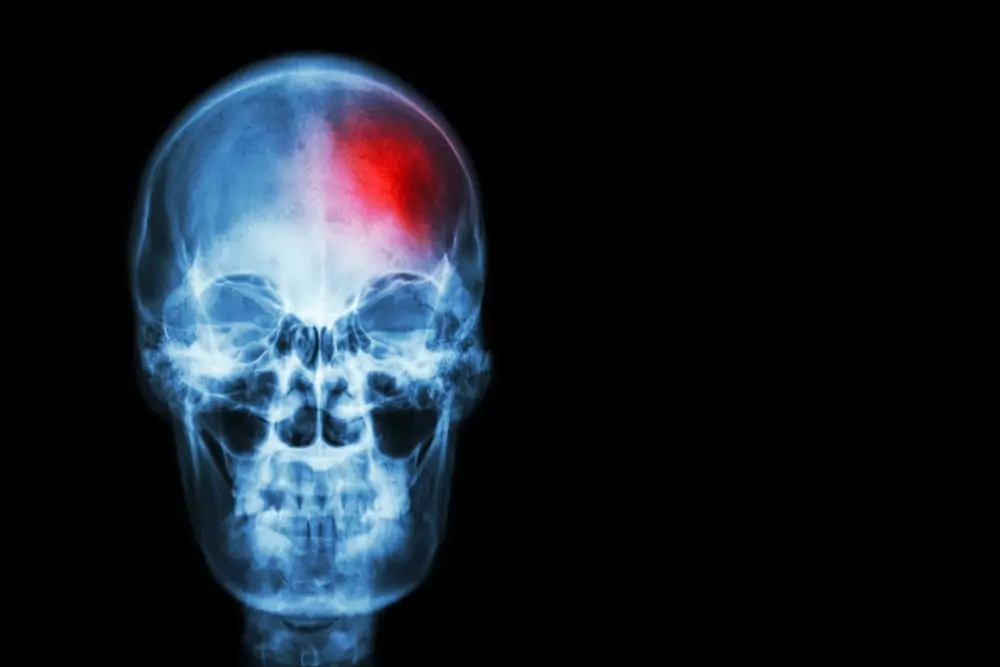
- A stroke is when the blood supply to a part of the brain is cut off.
- When a clot blocks a blood vessel in the heart, it’s called a heart attack- so some people refer to a stroke as a “brain attack”.
- The most common cause is a blockage in a blood vessel, usually due to a blood clot.
- The area of brain tissue supplied by that blood vessel can no longer get oxygen and other vital nutrients, and starts to die.
- This means that the part of the body controlled by that region of the brain will lose its function.
- If the blockage is not removed quickly, the damage can be permanent.
- A clot-busting drug can be used in an Emergency Department to clear the blockage, but it only works if given within a short timeframe- that’s why it’s so important to get immediate medical attention if someone shows signs of a stroke.

What are the risk factors for stroke?
Anyone can get a stroke, but there are some factors that mean your risk is higher, including:
- Smoking
- High blood pressure (hypertension)
- Atrial Fibrillation
- Diabetes (particularly if poorly controlled)
- Obesity
- Sedentary lifestyle
- High cholesterol
- High alcohol intake
What are the key signs & symptoms of a stroke?
The “FAST test” is a handy way of remembering the signs of a stroke and what to do:
F is for Face: is there drooping or weakness of one side of the mouth?
A is for Arm: can both arms be lifted? In a stroke, there may be weakness of one side (weakness may involve a leg on the same side too)
S is for Speech: is speech affected? can the person understand and be understood?
T is for Time: time is crucial. If you or someone else develops any of the above symptoms of a stroke, call 000 and ask for an ambulance.
Other symptoms of a stroke:
While the FAST test is a good guide, there are other possible signs of a stroke, these include:
- Severe headache
- Vomiting
- New onset of dizziness, balance problems or falling.
- Confusion and difficulty understanding others
- A sudden disturbance of vision
- Difficulty swallowing
What is a TIA or “mini stroke”?
- A TIA (transient ischaemic attack, also known as a “mini stroke”) is when a blockage happens in a blood vessel in the brain, but does not last- the blockage clears by itself before any permanent damage occurs.
- It can cause the symptoms of a stroke and should be taken just as seriously.
- If someone has had a TIA, it may mean they are at a high risk of stroke- they need urgent medical assessment.
What to do
- If you think you or someone else has symptoms of a stroke, seek immediate medical attention, dial 000 and request an ambulance.
- Time is of the essence- a clot busting drug can save brain function and may even save a life, if given in time
For more information on stroke, go to the Stroke Foundation website or speak to your GP.


Sinus Infection: Symptoms, How Long It Lasts, and When You Need a Doctor
Sinusitis, often called a sinus infection, is one of the most common reasons Australians start to feel wretched for a week or two after a cold. The good news is [...]

Can You Get a Free Medical Certificate in Australia?
An honest answer from a GP: mostly no, but there are some genuinely free routes, and they are worth knowing about. This page explains where free or bulk-billed certificates really exist, why online [...]

Can You Get a Medical Certificate from a Pharmacy or Chemist Warehouse?
Pharmacy Medical Certificates in Australia: Rules, Limits and Costs If you wake up unwell and need proof for work, the local pharmacy can sometimes help. Pharmacists in Australia can [...]

Medically reviewed by Dr Aifric Boylan
MB · BCH · BAO · MICGP · FRACGP · DRCOG · DCH
About Dr Aifric Boylan MB BCh BAO MICGP FRACGP DRCOG DCH Fellow of the Royal Australian College of General Practitioners, Dr Aifric Boylan is a general practitioner with more than 20 years' experience. She graduated in medicine from…
This health information has been clinically reviewed by an Australian doctor. Qoctor health pages are reviewed to support clear, evidence-informed guidance; they do not replace individual medical advice.
Telehealth is not suitable in all medical situations — patients will be advised if an in-person assessment is needed. In an emergency, call 000.