


What is a stye?
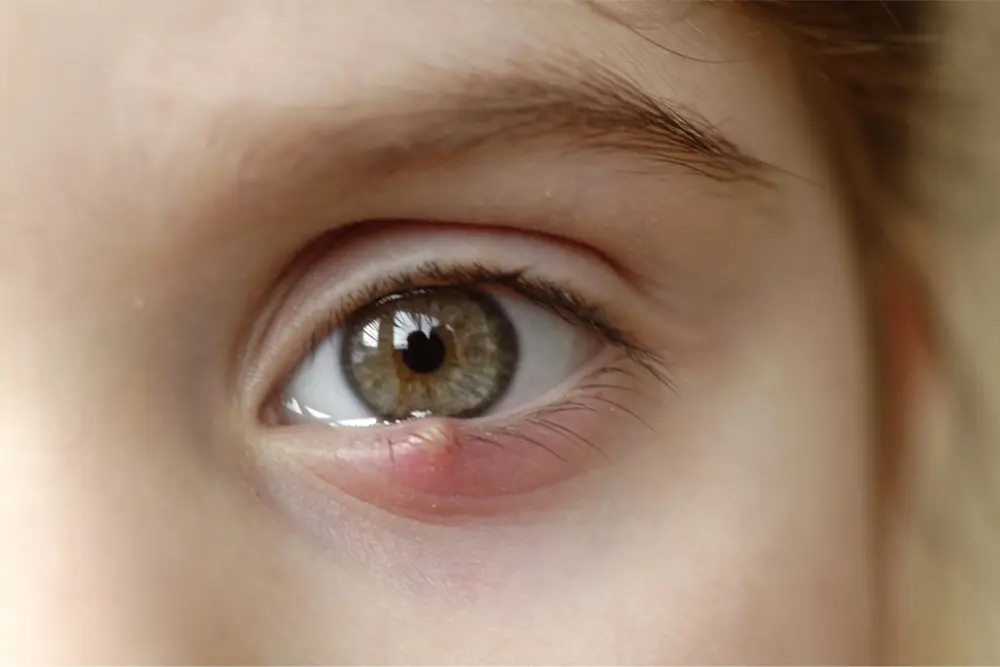
- A stye (or “hordeolum” to use the medical term) is a painful infection of a hair follicle or sweat gland on the eyelid, or of one of the tiny glands located just inside the eyelid (Meibomian glands).
- A stye will usually appear as a small round red spot, and there may be pus visible inside it.
- There may be a little swelling or puffiness just around the stye, and pus may discharge from it.
- If there is no pain or soreness, it is likely to be a “chalazion” which is a different type of lesion.
What causes styes?
- In over 90% of cases a stye is caused by Staphylococcus Aureus bacteria.
- A stye may occur by itself, or as a complication of blepharitis, which is a more widespread infection of the eyelid.
- Some people are prone to styes and get them repeatedly.
- Certain conditions may also increase the chances of getting a stye, including diabetes, chronic debilitating illness, and high cholesterol levels.
How do you get rid of a stye?
- Styes usually get better by themselves- most come to a head after a few days, and the pus drains out. Further treatment for a stye may also help:
- Warm soaks (e.g. with a warm face flannel held to the area) for 10-15 minutes a day may encourage this to happen
- Topical antibiotic drops or ointment may be used to treat recurrent lesions and for those that are discharging pus.
- Oral antibiotics may be advised if redness and swelling is starting to spread beyond the stye, into the eyelid.
- If there are symptoms of cellulitis (increased redness around the eye, fevers and general unwellness), it’s a more serious situation, and immediate medical attention is needed, as intravenous antibiotics may be required.
- If the stye points at a lash follicle, removal of that single eyelash may help drainage and healing, but more than one lash shouldn’t be removed as it can lead to damage.
- Surgical drainage is rarely needed, and should be performed by an eye specialist or at an emergency department.
What happens if you don’t treat a stye?
- Most styes will get better by themselves
- Rarely, infection may spread from the stye into the tissue around the eye, causing cellulitis- as mentioned above, this is a serious condition which requires antibiotics. Symptoms include pain, swelling, redness around the eye, and often fevers, chills and feeling generally unwell. Immediate medical attention should be sought in this case.
- Sometimes a stye will progress over time to form a chalazion- this is a hard painless lump in the eyelid. A chalazion may need to be removed if it gets big or is causing discomfort.
How to stop getting styes
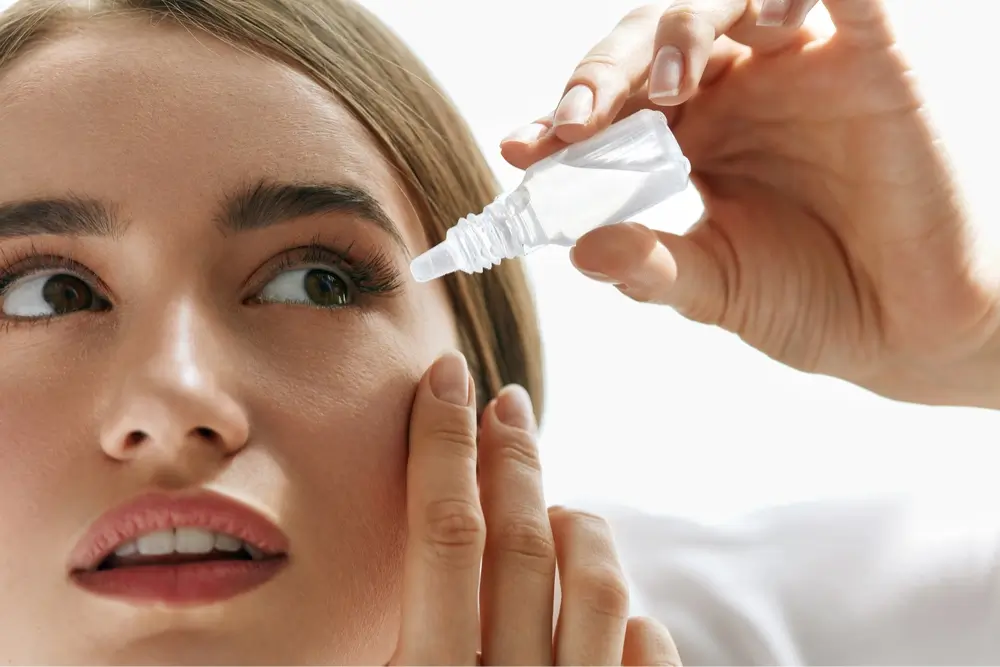
- Eye lid hygiene measures may help.
- There are eyelid wipes and other lid hygiene products available over the counter- speak to your pharmacist.
- Sometimes people are advised to use a tiny amount of baby shampoo and warm water, and carefully clean the lash-line with a cotton bud.
If having recurring or troublesome styes, speak to your GP, optician or an ophthalmologist (eye specialist).

Sinus Infection: Symptoms, How Long It Lasts, and When You Need a Doctor
Sinusitis, often called a sinus infection, is one of the most common reasons Australians start to feel wretched for a week or two after a cold. The good news is [...]

Can You Get a Free Medical Certificate in Australia?
An honest answer from a GP: mostly no, but there are some genuinely free routes, and they are worth knowing about. This page explains where free or bulk-billed certificates really exist, why online [...]

Can You Get a Medical Certificate from a Pharmacy or Chemist Warehouse?
Pharmacy Medical Certificates in Australia: Rules, Limits and Costs If you wake up unwell and need proof for work, the local pharmacy can sometimes help. Pharmacists in Australia can [...]

Medically reviewed by Dr Aifric Boylan
MB · BCH · BAO · MICGP · FRACGP · DRCOG · DCH
About Dr Aifric Boylan MB BCh BAO MICGP FRACGP DRCOG DCH Fellow of the Royal Australian College of General Practitioners, Dr Aifric Boylan is a general practitioner with more than 20 years' experience. She graduated in medicine from…
This health information has been clinically reviewed by an Australian doctor. Qoctor health pages are reviewed to support clear, evidence-informed guidance; they do not replace individual medical advice.
Telehealth is not suitable in all medical situations — patients will be advised if an in-person assessment is needed. In an emergency, call 000.