


NSAIDs- what they’re used for & common side effects
What are NSAIDs (anti-inflammatories) ?
- NSAIDs stands for Non Steroidal Anti-inflammatory Drugs
- They are a group of medications most commonly used as painkillers, though certain forms are used for other purposes, such as thinning the blood
- NSAIDs inhibit “Prostaglandins” , which are chemicals naturally formed in the body.
- These Prostaglandins would normally produce pain, inflammation or fever but the NSAIDs act against them, thereby relieving symptoms.
- NSAIDs can have various effects that vary slightly between different medications.
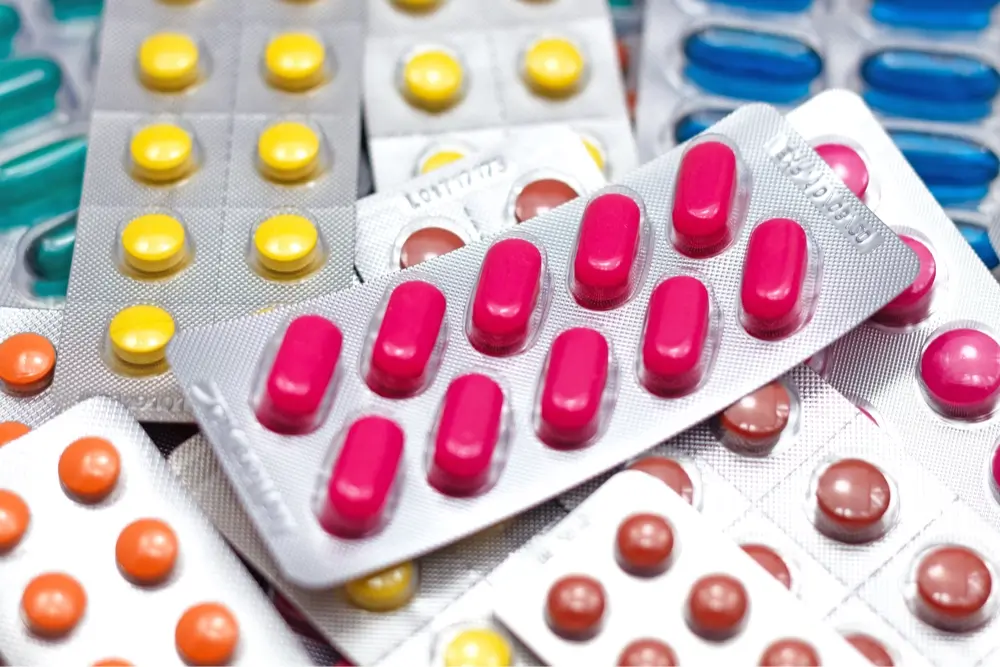
What are NSAIDs used for?
NSAIDs can be used for a variety of conditions. For example:
- joint pains in osteoarthritis.
- period pain
- headaches
- back pain and muscle pains
- fever
- gout
What are the side effects of NSAIDs?
- NSAIDs can have life-threatening side-effects. You need to take great care when deciding whether to take them.
- The risks of taking NSAIDs increase as you get older. Over-65’s should check with their doctor.
- The risks also increase if you take them regularly.
- Among other things, they can cause:
- Gastritis or even bleeding from the stomach & peptic ulcers.
- Kidney impairment.
- Hypertension (high blood pressure).
- Worsening health problems for patients with heart disease or stroke (with the exception of aspirin).
Who should not take NSAIDs?
NSAIDs are not recommended in certain cases, including:
- Pregnant women, unless specifically advised by a specialist.
- Certain asthmatics who have severe breathing problems triggered by NSAIDs.
- People with previous heart attack, heart failure or stroke.
- People with inflammatory bowel disease (Crohn’s or Ulcerative Colitis).
- People with kidney disease.
- People with previous peptic ulcers or significant gastritis.
- People being treated for diabetes or hypertension should check with their GP first.
- People taking any other medications should check with the pharmacist that they do not interact with NSAIDs
- Under-18’s should not take aspirin as there can be severe side effects. Certain NSAIDs are safe to use in children and young adults speak to your GP or pharmacist for advice.
What else do I need to know about taking NSAIDs?
- You should always take the minimum effective dose, ideally for the shortest amount of time possible
- You should take NSAIDs with food, not on an empty stomach.
- If you develop any unexplained symptoms after taking an NSAID you should see a doctor straight away- particularly if you experience abdominal pain or dark coloured bowel motions (poo).
For more information regarding NSAIDs or the side effects of NSAIDs, speak to your GP.


Sinus Infection: Symptoms, How Long It Lasts, and When You Need a Doctor
Sinusitis, often called a sinus infection, is one of the most common reasons Australians start to feel wretched for a week or two after a cold. The good news is [...]

Can You Get a Free Medical Certificate in Australia?
An honest answer from a GP: mostly no, but there are some genuinely free routes, and they are worth knowing about. This page explains where free or bulk-billed certificates really exist, why online [...]

Can You Get a Medical Certificate from a Pharmacy or Chemist Warehouse?
Pharmacy Medical Certificates in Australia: Rules, Limits and Costs If you wake up unwell and need proof for work, the local pharmacy can sometimes help. Pharmacists in Australia can [...]

Medically reviewed by Dr Aifric Boylan
MB · BCH · BAO · MICGP · FRACGP · DRCOG · DCH
About Dr Aifric Boylan MB BCh BAO MICGP FRACGP DRCOG DCH Fellow of the Royal Australian College of General Practitioners, Dr Aifric Boylan is a general practitioner with more than 20 years' experience. She graduated in medicine from…
This health information has been clinically reviewed by an Australian doctor. Qoctor health pages are reviewed to support clear, evidence-informed guidance; they do not replace individual medical advice.
Telehealth is not suitable in all medical situations — patients will be advised if an in-person assessment is needed. In an emergency, call 000.