


Scrotal angiokeratomas are small, raised, red or purple bumps that are noncancerous and quite common. Although angiokeratomas can appear anywhere on the body, this article focuses on those found on the scrotum, known as angiokeratomas of Fordyce. These lesions are particularly common, with their prevalence increasing with age. About 6% of men in their 30s have scrotal angiokeratomas, and this figure rises to 16% for men over 70.
In most cases, the exact cause is unclear. However, in rare instances, scrotal angiokeratomas may be linked to genetic conditions or certain medications.
What are the symptoms?
Scrotal angiokeratomas are painless and harmless, and they do not turn cancerous. While some men may have just one lesion, others can develop hundreds. These lesions are primarily a cosmetic concern, but they can lead to psychological distress if their appearance causes anxiety.
The color of the lesions can vary based on your skin tone and the size of the bumps. They can range from light pink to dark red, deep blue, black, or dark purple. The lesions are raised and may feel rough to the touch, but they are not physically painful or uncomfortable. Angiokeratomas rarely exceed 5mm in size.
For individuals with lighter skin tones, scrotal angiokeratomas are more noticeable, while those with darker skin may find the lesions less visible. In rare cases, the lesions may bleed, especially if they are large, located in areas where skin rubs together, or if you are taking blood-thinning medications.
How is it diagnosed?
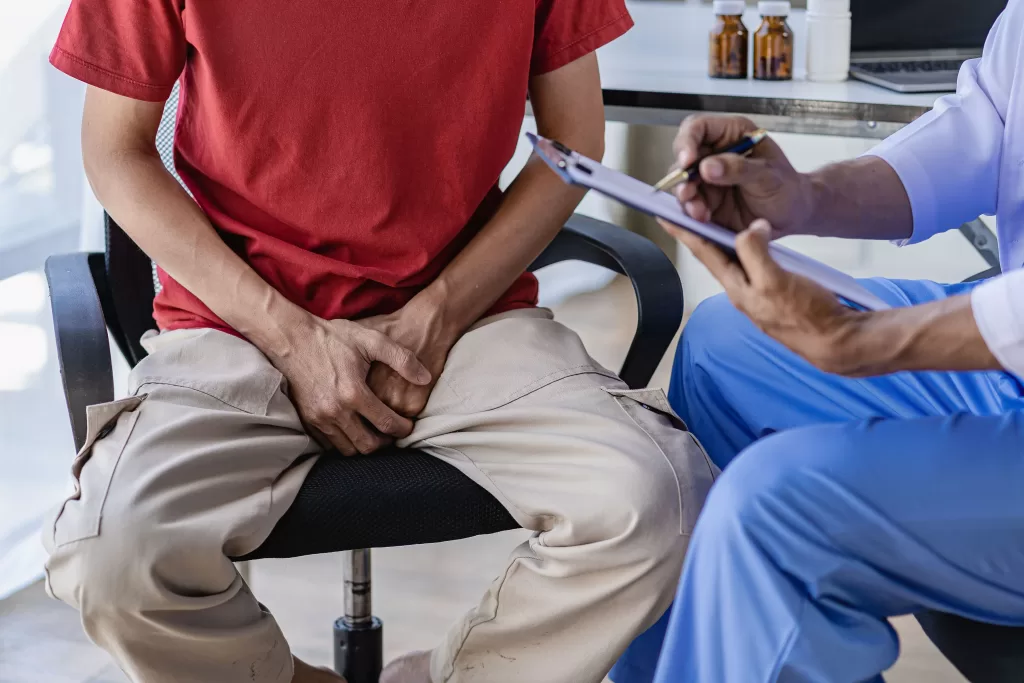
Your doctor will usually diagnose scrotal angiokeratomas via a clinical examination.
If there is some uncertainty about skin lesions on your scrotum, your doctor may perform a skin biopsy to exclude conditions like melanoma or pyogenic granuloma.
What is the treatment?
Scrotal angiokeratomas generally do not require treatment. If they cause problems such as bleeding or psychological stress, the lesions can be removed with:
- Excision: this means removal with a scalpel. It is best if there are less than a handful of lesions.
- Laser: there are different types of lasers that can be used for scrotal angiokeratomas. These are a good option if there are many lesions.
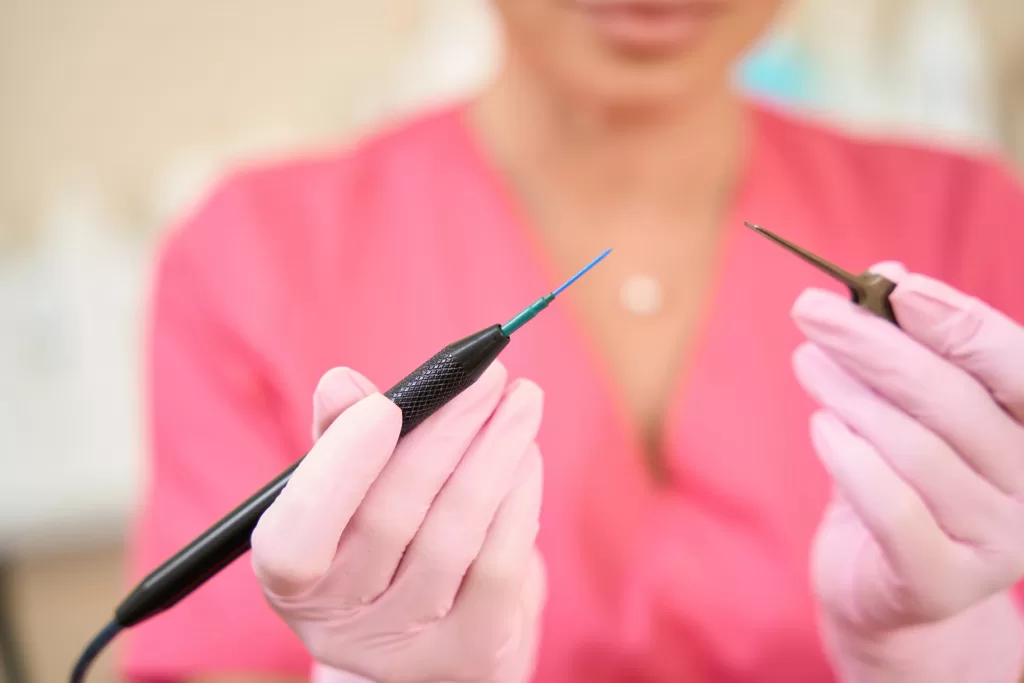
- Cauterisation: this is an electrical current that damages the small blood vessel that creates the lesions.
- Cryotherapy: this is liquid nitrogen that freezes the blood vessel that creates the lesion.

Sinus Infection: Symptoms, How Long It Lasts, and When You Need a Doctor
Sinusitis, often called a sinus infection, is one of the most common reasons Australians start to feel wretched for a week or two after a cold. The good news is [...]

Can You Get a Free Medical Certificate in Australia?
An honest answer from a GP: mostly no, but there are some genuinely free routes, and they are worth knowing about. This page explains where free or bulk-billed certificates really exist, why online [...]

Can You Get a Medical Certificate from a Pharmacy or Chemist Warehouse?
Pharmacy Medical Certificates in Australia: Rules, Limits and Costs If you wake up unwell and need proof for work, the local pharmacy can sometimes help. Pharmacists in Australia can [...]

Medically reviewed by Dr Aifric Boylan
MB · BCH · BAO · MICGP · FRACGP · DRCOG · DCH
About Dr Aifric Boylan MB BCh BAO MICGP FRACGP DRCOG DCH Fellow of the Royal Australian College of General Practitioners, Dr Aifric Boylan is a general practitioner with more than 20 years' experience. She graduated in medicine from…
This health information has been clinically reviewed by an Australian doctor. Qoctor health pages are reviewed to support clear, evidence-informed guidance; they do not replace individual medical advice.
Telehealth is not suitable in all medical situations — patients will be advised if an in-person assessment is needed. In an emergency, call 000.