


What is Rosacea?
Rosacea (also known as Acne Rosacea) is a very common skin condition, which can cause a lot of distress to sufferers. Symptoms include facial flushing, redness, dilated blood vessels, pimples and pustules. Sometimes there can be redness or inflammation around the eyelids and eye area. Whilst Rosacea can seem similar to acne, there are a few important differences. One of the main ones is that comedones (blackheads) are common in acne but not in rosacea. Also, in Rosacea, certain factors can cause worsening of symptoms- these include alcohol, exercise, stress, spicy foods and hot environments. Alcohol does not cause Rosacea, but can make it look worse.
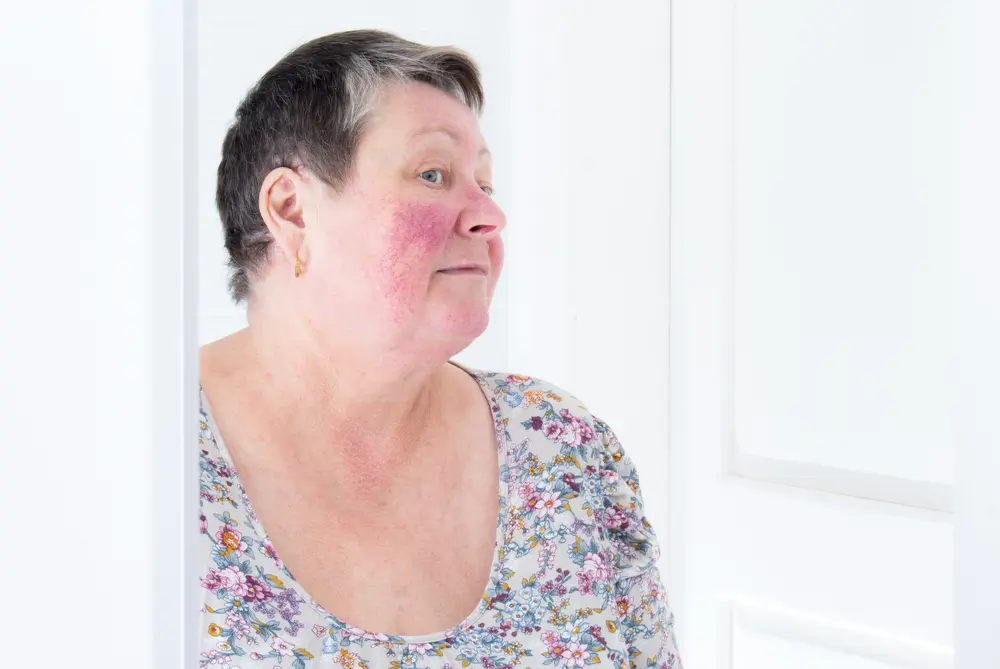
What are the treatment options for Rosacea?
Your doctor may prescribe a topical antibiotic cream or gel, which can be effective. Usually this is applied once a day, on an ongoing basis, to reduce symptoms. It’s usually well tolerated, without any major side effects. Azelaic acid applied to the skin as a cream can also be helpful for some people.
Oral antibiotics are often prescribed if gels and creams are not working. For some patients, this can be very effective. Obviously, oral antibiotics may cause side effects such as stomach upset or rash.
Steering clear of triggers such as alcohol make sense. If your doctor has diagnosed you with Rosacea and you are not responding to the above treatments, it may be worth seeing a dermatologist for further advice.


Non-Alcoholic Fatty Liver Disease
Non-Alcoholic Fatty Liver Disease Non-alcoholic fatty liver disease (NAFLD) is a condition where there are high amounts of fat in the liver. It is also known as non-alcoholic steatohepatitis [...]
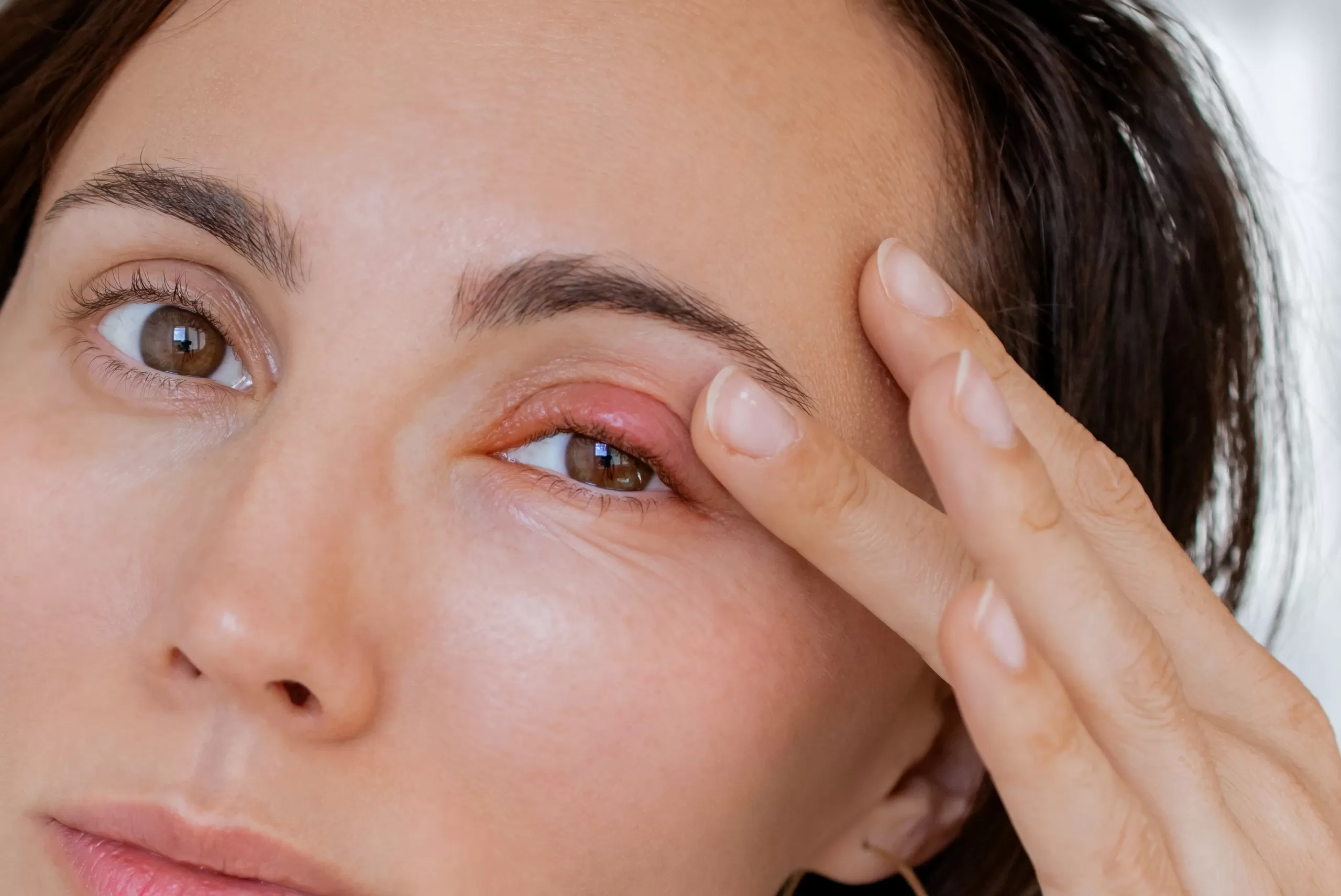
Blepharitis
Blepharitis Blepharitis is inflammation of the eyelid, anywhere from the tip where the eyelashes start to deeper in the eyelid base. It affects men and women in equal measure [...]
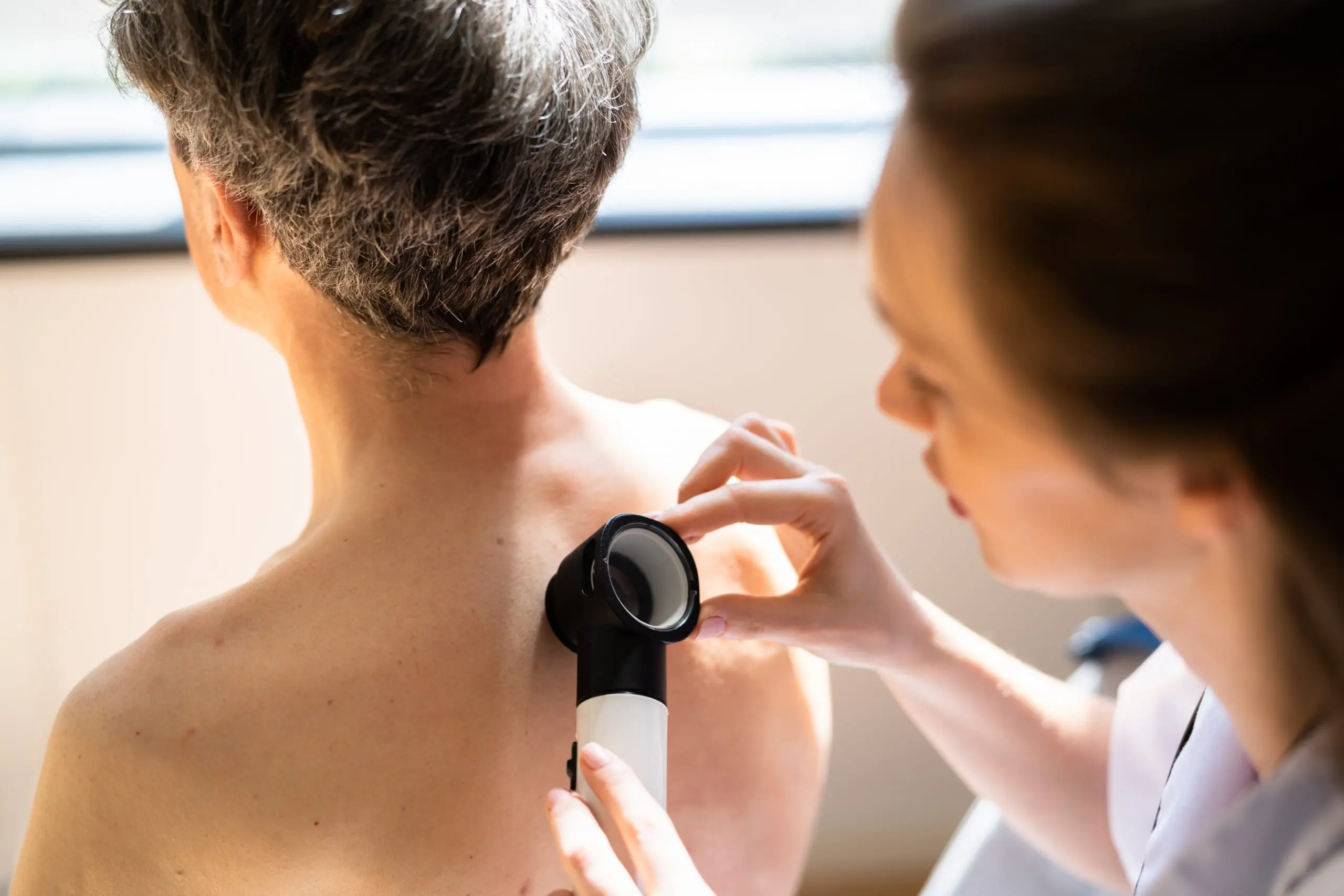
Non-melanoma skin cancers (BCCs and SCCs)
Non-melanoma skin cancers (BCCs and SCCs) There are two main types of non-melanoma skin cancers, called basal cell carcinomas (BCCs) and squamous cell carcinomas (SCCs). Melanoma skin cancers act [...]

