


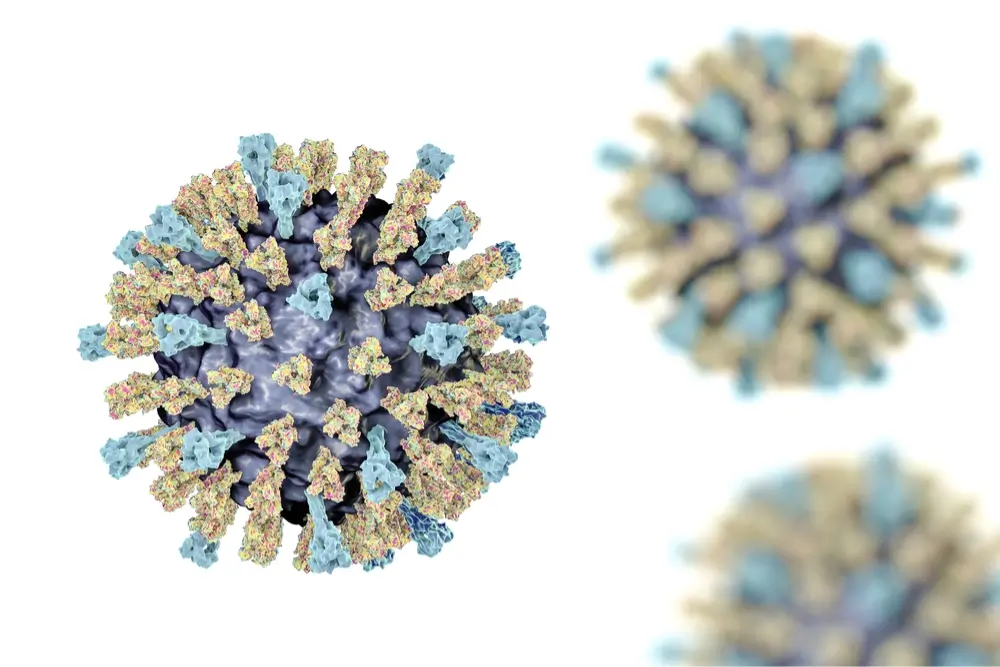
Measles is one of the top causes of death in young children worldwide. Though the number of cases has fallen over the past few decades due to vaccination programs, it is still a major killer- around 90,000 died from Measles in 2016.
At first, Measles can seem like a common cold- with a runny nose, fever, watery red eyes, cough and tiredness. The distinctive red Measles rash appears after 2 to 3 days. The rash starts on the head- typically behind the ears and along the hairline- then spreads to the rest of the body. While most people who get Measles recover with a week or so, some get complications. Out of every 1000 children who develop Measles, one or two will die from complications. Complications of Measles and death from Measles occur more often in children under the age of 5, or in people who have chronic illnesses.
Ear infections
This is one of the most common complications of Measles. About 1 in 10 children who get Measles develop a middle ear infection (otitis media). This leads to earache, and a build-up of fluid in the middle ear. Antibiotics may be needed.
Vomiting and Diarrhoea
In some cases of Measles, vomiting and diarrhoea may occur, leading to dehydration. It’s important for the unwell person to drink plenty of fluids. Oral rehydration solution (such as Hydrolyte) may be helpful. If dehydration is suspected, you should seek urgent medical attention. Symptoms of dehydration can include reduced urine output, fatigue, drowsiness, weakness and a raised heart rate.
Respiratory complications
Measles can affect the airways and lungs in different ways. Aside from a runny nose, it can lead to inflammation around the voice-box (croup or laryngitis), bronchitis or pneumonia. Pneumonia occurs in about 1 in 20 cases of Measles- in fact, deaths from Measles are most often due to Pneumonia. If a child with Measles develops laboured breathing or if their cough is getting worse, they should see a doctor.
Complications in Pregnancy
If a woman is not immune to Measles and catches it during pregnancy, there is a higher risk of stillbirth, miscarriage, premature labour and low birth weight. Any woman exposed to Measles during pregnancy should have their immunity checked. If not immune, treatment with Measles HNIG (human normal immunoglobulin) may be recommended, to reduce the risk of developing illness.
Neurological complications
Inflammation of nerves related to the eye can lead to a squint or blindness. Encephalitis (inflammation of the brain) may also occur in about 1 in every 1000 cases of Measles and can be life-threatening. Subacute Sclerosing Panencephalitis (SSPE) is a rare but fatal complication, that occurs many years after Measles infection- it is untreatable and leads to brain damage and death.
Hepatitis
Inflammation of the liver occurs in some cases, though does not tend to be life-threatening.

Can you die from Measles?
Yes, deaths still occur from Measles, due to various complications- pneumonia is the most common fatal complication. In Europe there have been 37 deaths so far in 2018.
As the complications of Measles are potentially so serious, immunisation with the MMR vaccine is recommended for all children, unless there are contraindications.
For more information about the complications of Measles speak to your doctor.
Further Patient resources:
Article Resources:
Sinus Infection: Symptoms, How Long It Lasts, and When You Need a Doctor
Sinusitis, often called a sinus infection, is one of the most common reasons Australians start to feel wretched for a week or two after a cold. The good news is [...]

Can You Get a Free Medical Certificate in Australia?
An honest answer from a GP: mostly no, but there are some genuinely free routes, and they are worth knowing about. This page explains where free or bulk-billed certificates really exist, why online [...]

Can You Get a Medical Certificate from a Pharmacy or Chemist Warehouse?
Pharmacy Medical Certificates in Australia: Rules, Limits and Costs If you wake up unwell and need proof for work, the local pharmacy can sometimes help. Pharmacists in Australia can [...]

Medically reviewed by Dr Aifric Boylan
MB · BCH · BAO · MICGP · FRACGP · DRCOG · DCH
About Dr Aifric Boylan MB BCh BAO MICGP FRACGP DRCOG DCH Fellow of the Royal Australian College of General Practitioners, Dr Aifric Boylan is a general practitioner with more than 20 years' experience. She graduated in medicine from…
This health information has been clinically reviewed by an Australian doctor. Qoctor health pages are reviewed to support clear, evidence-informed guidance; they do not replace individual medical advice.
Telehealth is not suitable in all medical situations — patients will be advised if an in-person assessment is needed. In an emergency, call 000.