
Overview

Birth control, also known as contraception, encompasses various methods and devices used to prevent pregnancy, empowering individuals and couples to decide if and when they want to have children. This contributes significantly to reproductive health and family planning.

Barrier methods, such as condoms, diaphragms, and cervical caps, physically block sperm from reaching the egg and provide protection against sexually transmitted infections (STIs). Hormonal methods include birth control pills, patches, injections, and hormonal intrauterine devices (IUDs), which regulate or stop ovulation. These methods are highly effective when used correctly, although they do not protect against STIs.

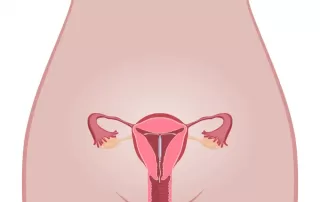
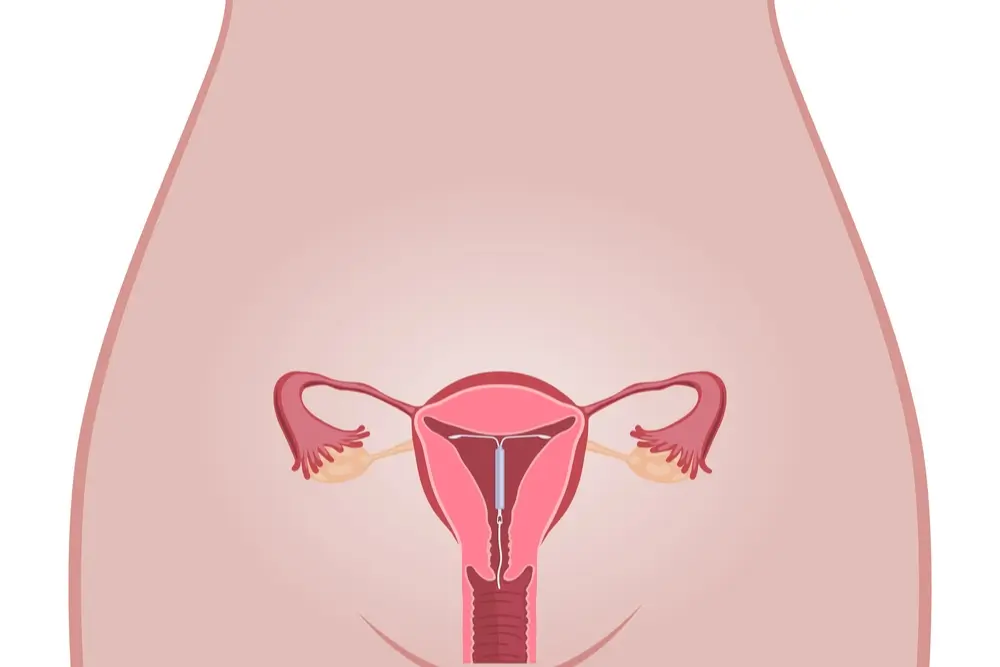
IUDs, both hormonal and non-hormonal (copper), offer long-term protection, ranging from 3 to 10 years. Permanent methods, such as tubal ligation for women and vasectomy for men, provide permanent solutions for preventing pregnancy. Natural methods, like the calendar method, basal body temperature monitoring, and cervical mucus observation, involve tracking the menstrual cycle and avoiding intercourse on fertile days, though have higher failure rates.

Emergency contraception, including pills or devices used after unprotected sex, can prevent pregnancy but should not be relied upon as a regular contraceptive method. In addition to preventing pregnancy, some birth control methods regulate menstrual cycles, reduce menstrual cramps, and manage acne. The effectiveness of birth control varies, with IUDs and hormonal methods generally being more effective than barrier or natural methods.

Choosing the right method involves considering one’s health, lifestyle, and reproductive goals. Consulting with a healthcare provider can help determine the best option.


What are the side effects of the pill?

The combined contraceptive pill (commonly known as “the pill”) has been around since the 1960s and is used by women all over the world as an effective, convenient form of birth control. It contains two hormones- oestrogen and progesterone, and it works by preventing ovulation. Most women get no side effects while taking [...]

Can you get pregnant on the pill?

The simple answer is yes. No form of contraception (birth control) is 100% effective. However, if taken perfectly, the contraceptive pill (also known as the combined contraceptive pill or simply “the pill”), is a highly effective method of contraception. More than 80% of sexually active women will become pregnant within a year if they do [...]

The mini pill-10 common questions doctors get asked

what is it? Is it effective? contraindications side effects Already on the mini pill?Renew your script online in minutes — $24.99. A doctor checks it’s still right for you, then sends your eScript direct to your phone or chosen pharmacy.Renew my mini pill scriptNew to contraception, or considering a [...]

The morning after pill- the facts & a new 5 day option

how it works types effectiveness side effects How does the morning after pill work? Unprotected sex, a missed pill, a burst condom-there are many reasons a woman may find herself suddenly worrying about an unplanned pregnancy. Despite its name, the morning after pill is [...]

Do antibiotics affect the contraceptive pill?

For decades, if a woman was started on an antibiotic, it was standard practice for the doctor to ask if she was also taking the contraceptive pill. It was thought that antibiotics interfered with the levels of the pill in a woman’s body, and might stop it from working. Therefore, women on the pill [...]

The contraceptive pill and blood clots- the risks.

The combined oral contraceptive pill (or “the pill” as it’s more commonly known) first became available in America in the early 1960s. It quickly became a trusted method of birth control for millions of women worldwide. It’s generally safe, effective (when taken correctly!), and has allowed women to plan their pregnancies, careers and lives [...]

Title