


What is Eczema?
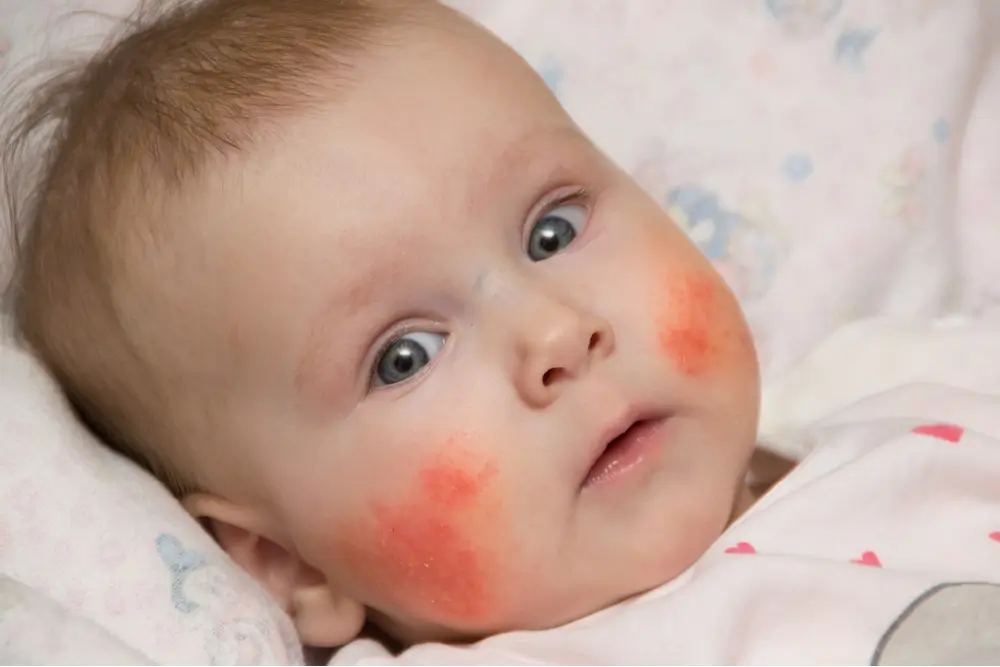
Eczema is inflamed skin. It can be difficult to distinguish from other skin conditions. Symptoms include:
- Redness
- Itch
- Dryness
- Weeping and crusting
- Thickened scaly & cracked skin (if longstanding)
- Skin infections
What’s the difference between Dermatitis and Eczema?
Eczema and dermatitis are interchangeable terms – they mean the same thing
What causes Eczema?
- Allergy
- Dryness
- Genetics
- Skin-type
- Reaction to sunlight
- Reaction to fungal infection
- Shaving
- Swollen legs
- Certain medications
- Stress can make eczema worse
- Exposure to irritating substances
- Washing
Why is Eczema worse in winter?
- Eczema can be worse in Winter because cold air is dry
- The heating systems in buildings can further remove moisture from the air
- This leads to dry skin
- Wearing lots of layers may also make Eczema worse
Are there different types of Eczema?
There are many different types of Eczema. These are some of the most common types:
Atopic Eczema
- Usually starts in childhood
- Often improves as you get older
- Often runs in families
- Strongly associated with asthma & hayfever
- Occurs as an allergic reaction things in the environment such as – diet, airborne particles, fabrics/chemicals contacting the skin. It may also be worse in certain types of weather.
Contact Dermatitis
- The classic examples are after contact with a belt buckle or watch strap, or after handling caustic chemicals
- There are 2 types of Contact Dermatitis- it can be Allergic – the immune system reacts to an allergic trigger, developing a day or 2 after the contact. Or it can be Irritant – the skin is directly injured and becomes inflamed due to contact, developing within hours.
Seborrhoeic Eczema
- Usually affects the scalp, eyebrows and other parts of the face
- Can be associated with other skin conditions like and psoriasis
Pompholyx
- Affects the hands or feet
- Bumpy itchy skin, usually on the sides of the fingers or toes
- Usually worse when sweating
- Sometimes follows direct contact with nickel
- Can be triggered by stress
- Often no cause found
Photodermatitis
- Occurs as a reaction to the UV light in sunshine
- Characteristically appears only on the area of skin exposed to the sun
Perioral Dermatitis
- Mostly affects women
- White spots and redness around the mouth
- Treatment is with antibiotics (usually applied to the skin directly)
Discoid Eczema
- Also known as Annular or Nummular Eczema
- Scattered patches (often round)
- Cause is unknown
Venous Eczema
- Also known as stasis, gravitational or leg eczema
- Develops in people with swollen legs
- The skin gets darker and itchier as the legs swell
How common is Eczema?
- In Australia approximately 1 in 5 children have Eczema
- Approximately 3% of adults have Eczema
What can I do to make my Eczema better?
Changes to how you wash
- Use a soft towel and pat yourself dry (rather than rubbing)
- Avoid using soaps – try using oily moisturiser instead
- Don’t use bubble bath
- Add unfragranced oils to your bath
Changes to your clothes
- Use sensitive-skin detergents in your washing machine
- Allow only cotton to be in direct contact with your skin wherever possible
Changes to how you moisturise
- Use moisturiser as often as possible, particularly after washing
- Use moisturisers that are unfragranced
- Switch between moisturisers until you find one that works well for you
- Usually oily moisturisers are more effective but they may not be absorbed as easily
- You don’t need to buy expensive moisturiser – cheap moisturisers are just as good
Other measures
- Stay well-hydrated
- Install an air humidifier where you live/work/sleep
Commonly used medications
- Antihistamines
- For itching
- Topical steroid creams & ointments- these should be used at the lowest effective strength as they can cause significant side-effects. They should only be used in addition to the measures described earlier.
- Antibiotics- if skin infection is thought to be playing a part in the Eczema
- “Occlusion dressing”- the practice of applying moisturiser thickly under cotton bandages & gloves to treat eczema in children
- Less-commonly used medications, usually under the guidance of a specialist include:
- Ultraviolet light therapy
- Coal tar ointment
- Immunosuppressant medications
Article Resources

Sinus Infection: Symptoms, How Long It Lasts, and When You Need a Doctor
Sinusitis, often called a sinus infection, is one of the most common reasons Australians start to feel wretched for a week or two after a cold. The good news is [...]

Can You Get a Free Medical Certificate in Australia?
An honest answer from a GP: mostly no, but there are some genuinely free routes, and they are worth knowing about. This page explains where free or bulk-billed certificates really exist, why online [...]

Can You Get a Medical Certificate from a Pharmacy or Chemist Warehouse?
Pharmacy Medical Certificates in Australia: Rules, Limits and Costs If you wake up unwell and need proof for work, the local pharmacy can sometimes help. Pharmacists in Australia can [...]

Medically reviewed by Dr Aifric Boylan
MB · BCH · BAO · MICGP · FRACGP · DRCOG · DCH
About Dr Aifric Boylan MB BCh BAO MICGP FRACGP DRCOG DCH Fellow of the Royal Australian College of General Practitioners, Dr Aifric Boylan is a general practitioner with more than 20 years' experience. She graduated in medicine from…
This health information has been clinically reviewed by an Australian doctor. Qoctor health pages are reviewed to support clear, evidence-informed guidance; they do not replace individual medical advice.
Telehealth is not suitable in all medical situations — patients will be advised if an in-person assessment is needed. In an emergency, call 000.