


What is a UTI?
A UTI stands for a “Urinary Tract Infection”. which is also known as “cystitis”. This means that bacteria have entered your urinary tract.
What is the urinary tract?
The urinary tract is made of 4 areas:
- The urethra – the tube from your bladder, through which urine leaves your body.
- The bladder- a round organ in your pelvis, like a bag, that stores urine.
- The ureters – the tubes connecting the bladder to each kidney
- The kidneys- 2 “bean-shaped” organs located in the mid back area, one on each side of the spine, just below the rib cage. Normally, they filter the blood, to remove waste and extra water, and form urine.
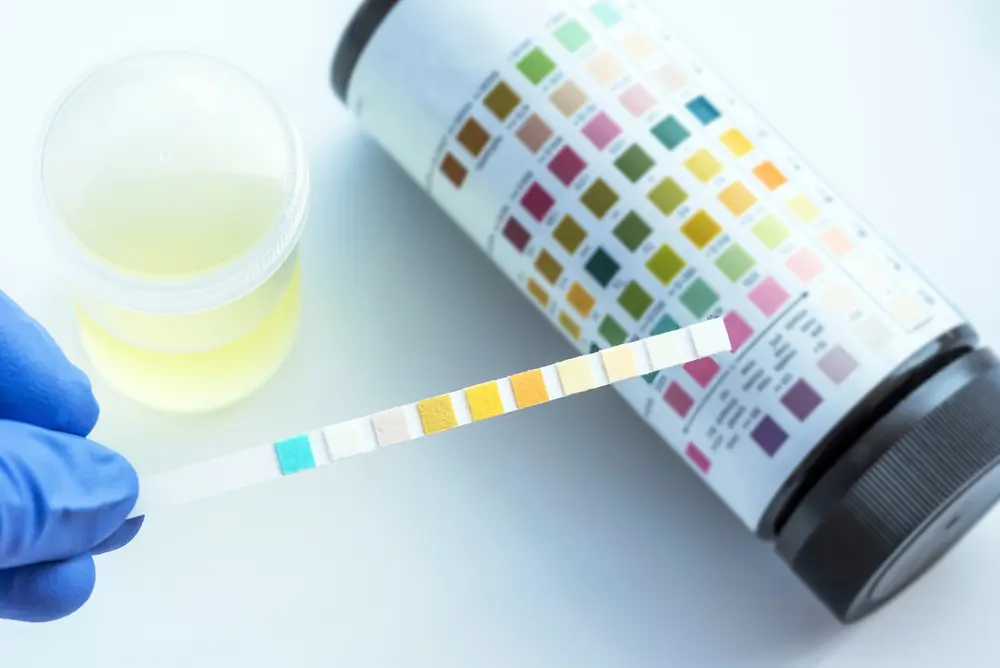
How common are UTIs?
They’re pretty common in women, and unfortunately they tend to get commoner as you get older. Over half of women get a UTI at some point in their life.
What are the symptoms of UTI?
Symptoms can include:
- Burning sensation when urinating (peeing)
- Sudden urgent need to urinate
- Urinating small amounts more often
- Blood in the urine
- Sudden onset of urinary incontinence (wetting yourself)
- Low abdominal (tummy) pain
- Flank (loin/back) pain
- Fever
The last 2 symptoms on the list can be a sign of more severe infection and should be treated urgently- see a doctor as soon as possible if you feel very unwell, and have back pains, fever and chills.
Why do I get a UTI after sex?
The act of sexual intercourse can physically push bacteria into the urethra. This condition is known as “honeymoon cystitis”. Women have a shorter urethra than men, which makes it easier for this to happen. Emptying your bladder before and after sex may help. Some women find washing the area gently in warm water (not with soap or shower gels etc) before sex may help, though this is not always possible or practical! Some women get prescribed an antibiotic by their doctor- they take a single dose immediately after sex, to prevent recurrent UTIs.
Why do I keep getting UTIs?
- Sometimes bacteria simply re-enter the urinary tract
- Sometimes bacteria may have remained in the urinary tract after the last infection
- A woman’s urethra is far shorter than a man’s so it’s easier for bacteria to enter the bladder
- After menopause the area of skin around the opening of the vagina becomes thinner. This means that bacteria can enter the urethra more easily

How to get rid of a UTI
UTIs do not get better by themselves- an antibiotic is required.
- If you think you have a UTI you should access advice from a doctor- see your local GP or, if you have straightforward UTI symptoms, you can also get UTI treatment online.
- If you are pregnant, and think you have a UTI, do not delay seeking medical advice from your GP, obstetrician or midwife.
- If you’ve had more than 3 UTIs in a year you may require further investigation (for example an ultrasound scan to look at your bladder and kidneys)- speak to your GP.
- If you’re getting frequent infections your doctor may prescribe a low-dose of an antibiotic every day as prevention.
Is there anything I can do to prevent UTI?
- Stay well hydrated – drink plenty of water.
- Urinate after having sex- and some experts recommend emptying your bladder before sex too.
- Don’t use harsh soaps or gels on your private parts- just bathe gently with warm water.
- After using the toilet, wipe yourself from front to back.
If you have any concerns regarding recurring UTIs, speak to your GP.
Sinus Infection: Symptoms, How Long It Lasts, and When You Need a Doctor
Sinusitis, often called a sinus infection, is one of the most common reasons Australians start to feel wretched for a week or two after a cold. The good news is [...]

Can You Get a Free Medical Certificate Online in Australia?
An honest answer from a GP: mostly no, but there are some genuinely free routes, and they are worth knowing about. This page explains where free or bulk-billed [...]

Can You Get a Medical Certificate from a Pharmacy or Chemist Warehouse?
Pharmacy Medical Certificates in Australia: Rules, Limits and Costs If you wake up unwell and need proof for work, the local pharmacy can sometimes help. Pharmacists in Australia can [...]
Clinical review & governance

Medically reviewed by Dr Ali Zavery
Dr. Aliasgar Zavery BSc (hons) MBBS MRCGP FRACGP DCH Dr Aliasgar (Ali) Zavery is originally from Nottingham, England. He trained at Guy's, King's and St Thomas' Hospitals in London, qualifying in 2003. He worked as a GP partner…
This health information has been clinically reviewed by an Australian doctor. Qoctor health pages are reviewed to support clear, evidence-informed guidance; they do not replace individual medical advice.
Telehealth is not suitable in all medical situations — patients will be advised if an in-person assessment is needed. In an emergency, call 000.