


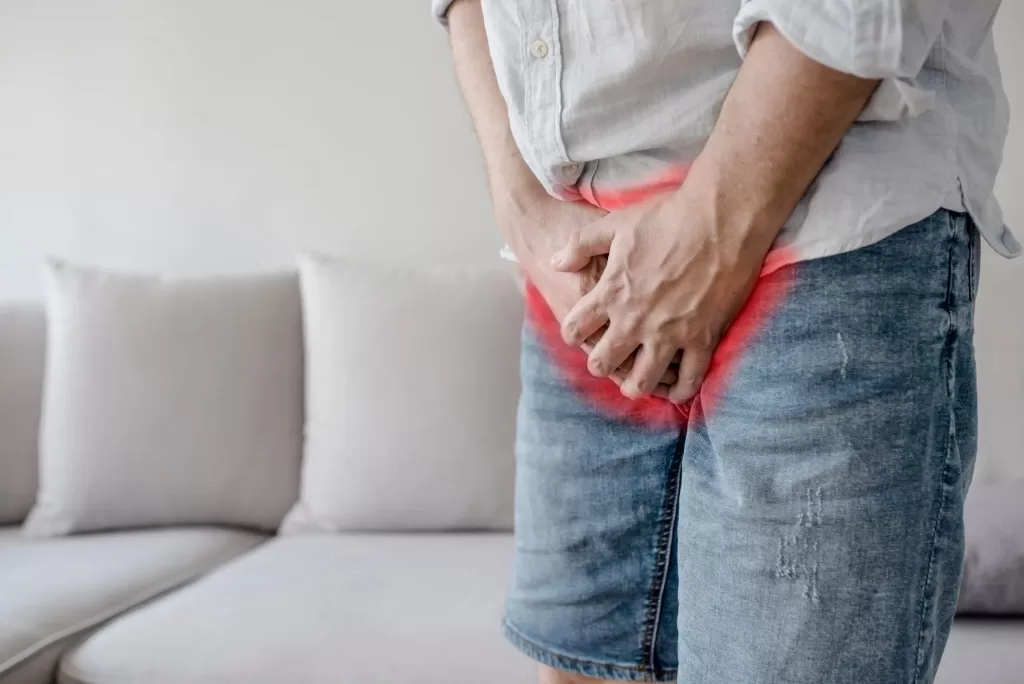
Osteitis pubis is an inflammation in the joint at the front of your pelvis, just above your genitals. The pubic joint, its cartilage and the surrounding muscles can be affected, which causes a range of symptoms. It is caused by repetitive microtrauma to the area that puts pressure on the joint.
Osteitis pubis is most common in men 30-50 years of age, but can happen at any age and in both sexes.
What are the symptoms?
Osteitis pubis can cause:
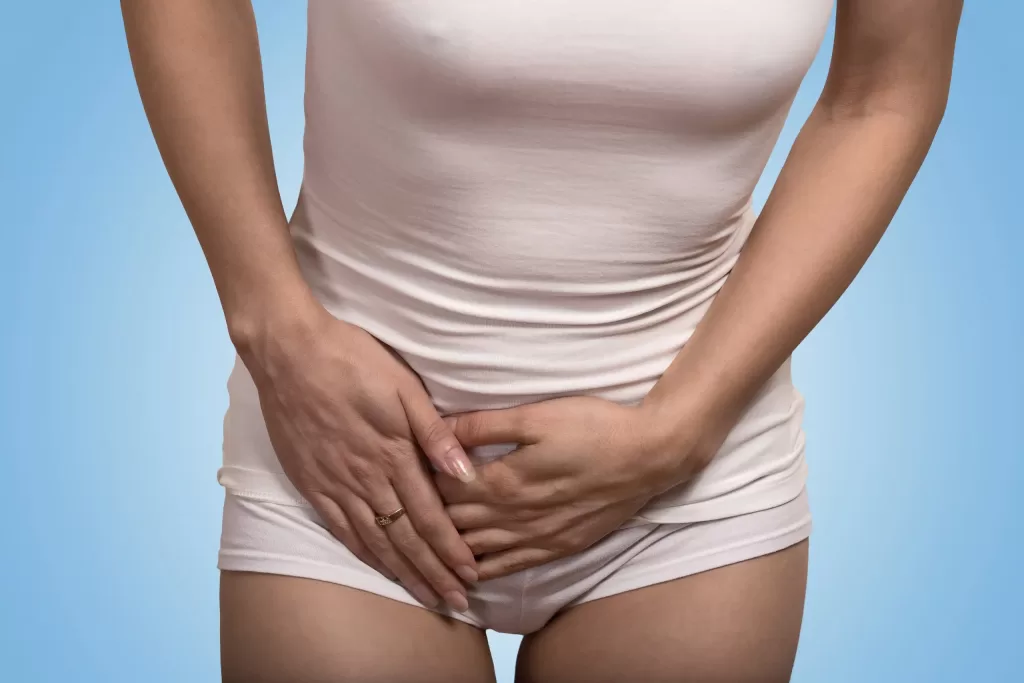
- Pain in the groin or lower abdomen which can throb or ache, particularly with movement and exercise.
- Inner thigh muscle discomfort and pain.
- A feeling of pain or ache in the genitals.
- A sensation of popping or clicking in the pelvis.
- Difficulty walking or standing for long periods of time.
Who is most likely to get it?
It is most common in athletes and people who do a lot of sport, particularly exercise involves using your core and hips to twist, kick, pivot on your legs or suddenly change direction often. Common sports associated with osteitis pubis are soccer, football, martial arts, basketball, netball, hockey and running.
Osteitis pubis can be caused by surgery in the pubic area and is also known to affect pregnant women.
How is it diagnosed?
Your doctor or physiotherapist can usually diagnose osteitis pubis by examining your pelvis, back and hips. Sometimes, you may be recommended to have imaging such as an x-ray, ultrasound, CT or MRI.

What is the treatment?
The usual first line treatment is anti-inflammatories such as ibuprofen or diclofenac. This can help with the discomfort and allow you to exercise and rehabilitate osteitis pubis.
Cold packs can help reduce inflammation in the pelvis and assist with discomfort, particularly early in the injury. Long term, heat packs can help improve with stiffness and discomfort to allow movement and more relaxed soft tissue in the area.
The mainstay of treatment for osteitis pubis is avoiding the triggers, such as high impact exercise, and engaging with other exercises that reduce tension on the pelvis. This means avoiding exercise such as running or football and instead swimming or using the gym.
With the assistance of a physiotherapist, a plan can be made to strengthen the muscles of your core and lower back, which stabilises the pelvis. Stretching your adductors, which are the muscles on the inside of the thighs, can also help improve the symptoms of osteitis pubis.
Rarely, if osteitis pubis is chronic or very painful, your doctor may organise a cortisone injection into the pelvis. This can help with pain and discomfort, which can assist you with strengthening and rehabilitation, but doesn’t itself cure the condition any faster.
Most people improve from osteitis pubis within 3-6 months.

Sinus Infection: Symptoms, How Long It Lasts, and When You Need a Doctor
Sinusitis, often called a sinus infection, is one of the most common reasons Australians start to feel wretched for a week or two after a cold. The good news is [...]

Can You Get a Free Medical Certificate Online in Australia?
An honest answer from a GP: mostly no, but there are some genuinely free routes, and they are worth knowing about. This page explains where free or bulk-billed [...]

Can You Get a Medical Certificate from a Pharmacy or Chemist Warehouse?
Pharmacy Medical Certificates in Australia: Rules, Limits and Costs If you wake up unwell and need proof for work, the local pharmacy can sometimes help. Pharmacists in Australia can [...]
Clinical review & governance

Medically reviewed by Dr AIFRIC BOYLAN
CEO
About Dr Aifric Boylan MB BCh BAO MICGP FRACGP DRCOG DCH Fellow of the Royal Australian College of General Practitioners, Dr Aifric Boylan is a general practitioner with more than 20 years' experience. She graduated in medicine from…
This health information has been clinically reviewed by an Australian doctor. Qoctor health pages are reviewed to support clear, evidence-informed guidance; they do not replace individual medical advice.
Telehealth is not suitable in all medical situations — patients will be advised if an in-person assessment is needed. In an emergency, call 000.