


There are two main types of non-melanoma skin cancers, called basal cell carcinomas (BCCs) and squamous cell carcinomas (SCCs). Melanoma skin cancers act very differently to non-melanoma skin cancers and will be addressed in another article.
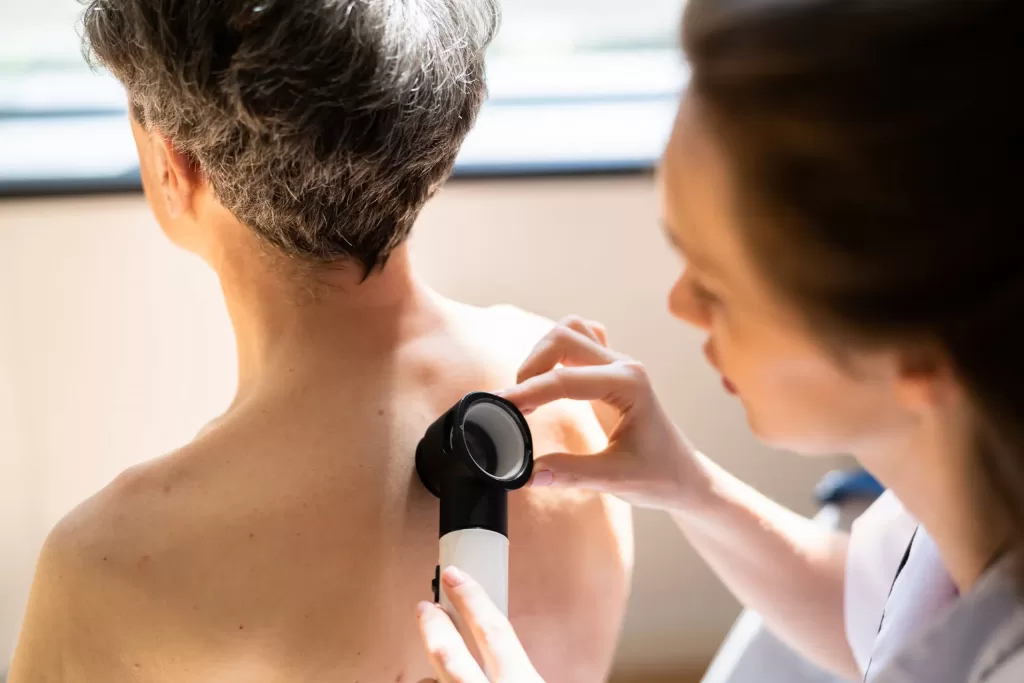
Prevalence of skin cancer in Australia
Every year in Australia, skin cancers account for around 80% of newly diagnosed cancers. BCCs and SCCs are the most common cancers in Australia, but the majority are not life-threatening.
Approximately two-thirds of non-melanoma skin cancers are BCCs and a third are SCCs. Anyone can develop them, but they become more common as you age and the average age of diagnosis is 76.
Risk factors of non-melanoma skin cancers
BCCs and SCCs are most likely to occur in areas of the body that get high or intermittent sun exposure such as the arms, face, neck, chest, back, and legs. Other risk factors include:
- Fair skin
- High amount of unusual moles (dysplastic naevi)
- Chemotherapy
- Suppressed immune system, either from a medical condition or medication
- Family history of skin cancer
- Tanning beds/solariums
Characteristics of BCCs and SCCs
BCC Characteristics
- Slow growth
- Pearly edges and lump
- Dry, scaly, and shiny spot
SCC Characteristics
- Quick growing
- Tender or sore
- Non-healing wound
- Thick, red, and scaly spot

Diagnosis of non-melanoma skin cancers
Sometimes it can be hard to know if a skin cancer is a BCC, SCC, or melanoma, and the only definitive way of knowing is to take a biopsy. This can include taking a part of the lesion or cutting out the whole lesion. A biopsy is usually done with local anesthetic so that the area is numb. Your doctor may use a scalpel or a punch biopsy, which looks like a pen and has a sharp circle that cuts into the skin.
The biopsy will be examined and leads to staging of the skin cancer, which means it will define if the BCC or SCC is only superficial (in the skin), or whether it has metastasised to another part of the body. Metastasis for non-melanoma skin cancers is rare.
Treatment options of non-melanoma skin cancers
Often, if the biopsy has cut the whole lesion out then the skin cancer has been cured. This means you may be diagnosed with a BCC or SCC and have it cured on the same day. Other treatments for BCCs and SCCs may involve:
-Liquid nitrogen, which causes a chemical burn to the skin cancer.
-Topical medications such as imiquimoid and 5-fluorouracil. These creams or gels attack or kill cancerous cells and are a type of chemotherapy.
-Radiotherapy, which uses x-rays to kill cancer cells. This method is usually for skin cancers that are in tricky areas, such as near eyes.
-Surgery involves cutting the whole skin cancer out. This is often done under local anaesthetic as part of the biopsy procedure, so you are awake. If it is a large lesion or if it requires complex plastic surgery due to being on tricky areas in the body, you may need to return for more surgery and/or it can be done under general anaesthetic (asleep).
Impact and prevention of non-melanoma skin cancers
Although most BCCs and SCCs will not cause death, they can cause stress and physical deformity. Some can affect surrounding tissue and so if they grow near your eyes, lips, or nose, they can affect those senses. Treatments may also lead to scars and pain, particularly if the skin cancers are large or complex.
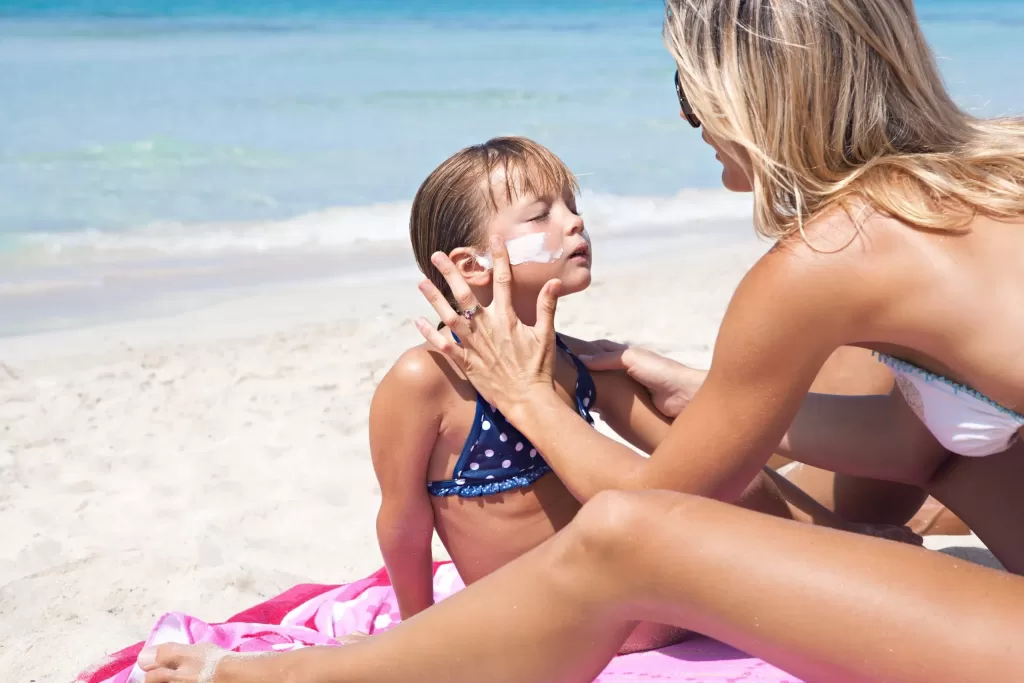
Both BCCs and SCCs can be prevented by avoiding intense sunshine and UV light. This can include using sunscreen, staying in shade, avoiding peak UV exposure times, wearing long sleeves and pants, and sunglasses. You can also have a regular skin check through your regular doctor to pick up any early lesions and discuss skin care.
References
Sinus Infection: Symptoms, How Long It Lasts, and When You Need a Doctor
Sinusitis, often called a sinus infection, is one of the most common reasons Australians start to feel wretched for a week or two after a cold. The good news is [...]

Can You Get a Free Medical Certificate in Australia?
An honest answer from a GP: mostly no, but there are some genuinely free routes, and they are worth knowing about. This page explains where free or bulk-billed certificates really exist, why online [...]

Can You Get a Medical Certificate from a Pharmacy or Chemist Warehouse?
Pharmacy Medical Certificates in Australia: Rules, Limits and Costs If you wake up unwell and need proof for work, the local pharmacy can sometimes help. Pharmacists in Australia can [...]
Medically reviewed by Dr Aifric Boylan
MB · BCH · BAO · MICGP · FRACGP · DRCOG · DCH
About Dr Aifric Boylan MB BCh BAO MICGP FRACGP DRCOG DCH Fellow of the Royal Australian College of General Practitioners, Dr Aifric Boylan is a general practitioner with more than 20 years' experience. She graduated in medicine from…
This health information has been clinically reviewed by an Australian doctor. Qoctor health pages are reviewed to support clear, evidence-informed guidance; they do not replace individual medical advice.
Telehealth is not suitable in all medical situations — patients will be advised if an in-person assessment is needed. In an emergency, call 000.