


What is Carpal Tunnel Syndrome?
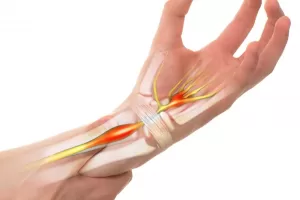
- Carpal Tunnel Syndrome is a painful condition of one or both hands, caused by pressure on the median nerve
- The median nerve runs down the arm and into the hand. It controls movement and sensation in the thumb, index and maybe middle finger.
- The carpal tunnel is a passage in your wrist made of bones and ligaments- the median nerve pass from the arm into the hand by passing through the carpal tunnel, along with several tendons that control hand movements.
- If there is increased pressure in this tunnel for any reason, it can press on the median nerve and cause symptoms of Carpal Tunnel Syndrome

What are the symptoms of Carpal Tunnel Syndrome?
The typical symptoms of Carpal Tunnel Syndrome include:
- Burning discomfort or pain in the palm and/or thumb
- Tingling or numbness in the hand
- These symptoms are often worse at night, when your hand is in a resting position
What are the causes of Carpal Tunnel Syndrome?
Frequently there are no obvious reasons or causes for Carpal Tunnel Syndrome , but injury, inflammation, swelling and fluid retention may be underlying triggers. Sometimes the following may be factors:
- Repetitive strain due to a manual job, typing etc
- Obesity
- Hypothyroidism
- Diabetes
- Arthritis- e.g. rheumatoid arthritis
- Pregnancy
How is Carpal Tunnel syndrome diagnosed?
- A doctor can often make the diagnosis based on the typical symptoms of Carpal Tunnel Syndrome
- An examination may give further clues- the doctor may tap on the wrist/base of your palm to see if it causes increased pins and needles in your hand (Tinel’s test) and/or ask you to stretch your wrist into a particular flexed position (Phalen’s test)
- Sometimes Nerve Conduction Studies may be performed- these will show that the median nerve is not functioning properly as it passes beyond the carpal tunnel.
- It’s important to have Carpal Tunnel Syndrome diagnosed and treated , as it can get worse over time, leading to long term problems with movement and sensation in the hand.
What is the treatment for Carpal Tunnel Syndrome?
- If it is related to an underlying cause (see causes above), getting treatment for that issue may get rid of the Carpal Tunnel Syndrome.
- If it’s related to pregnancy, it’ll usually get better after the baby is born
- It may help to avoid manual activity or work that triggers it, where possible
- Weight loss may help if obesity is an issue
- A physiotherapist can give helpful advice about how to position your wrists, and may start you on a stretching/exercise program
- Seeing an occupational therapist and getting a splint for the wrist may improve symptoms of Carpal Tunnel Syndrome, particularly at night.
- Medications such as anti-inflammatories may give some relief, if there is arthritis/inflammation present.
- Steroid injections into the carpal tunnel area
- Carpal Tunnel Release Surgery ( if all else has failed)


Sinus Infection: Symptoms, How Long It Lasts, and When You Need a Doctor
Sinusitis, often called a sinus infection, is one of the most common reasons Australians start to feel wretched for a week or two after a cold. The good news is [...]

Can You Get a Free Medical Certificate in Australia?
An honest answer from a GP: mostly no, but there are some genuinely free routes, and they are worth knowing about. This page explains where free or bulk-billed certificates really exist, why online [...]

Can You Get a Medical Certificate from a Pharmacy or Chemist Warehouse?
Pharmacy Medical Certificates in Australia: Rules, Limits and Costs If you wake up unwell and need proof for work, the local pharmacy can sometimes help. Pharmacists in Australia can [...]

Medically reviewed by Dr Aifric Boylan
MB · BCH · BAO · MICGP · FRACGP · DRCOG · DCH
About Dr Aifric Boylan MB BCh BAO MICGP FRACGP DRCOG DCH Fellow of the Royal Australian College of General Practitioners, Dr Aifric Boylan is a general practitioner with more than 20 years' experience. She graduated in medicine from…
This health information has been clinically reviewed by an Australian doctor. Qoctor health pages are reviewed to support clear, evidence-informed guidance; they do not replace individual medical advice.
Telehealth is not suitable in all medical situations — patients will be advised if an in-person assessment is needed. In an emergency, call 000.