


Listeria
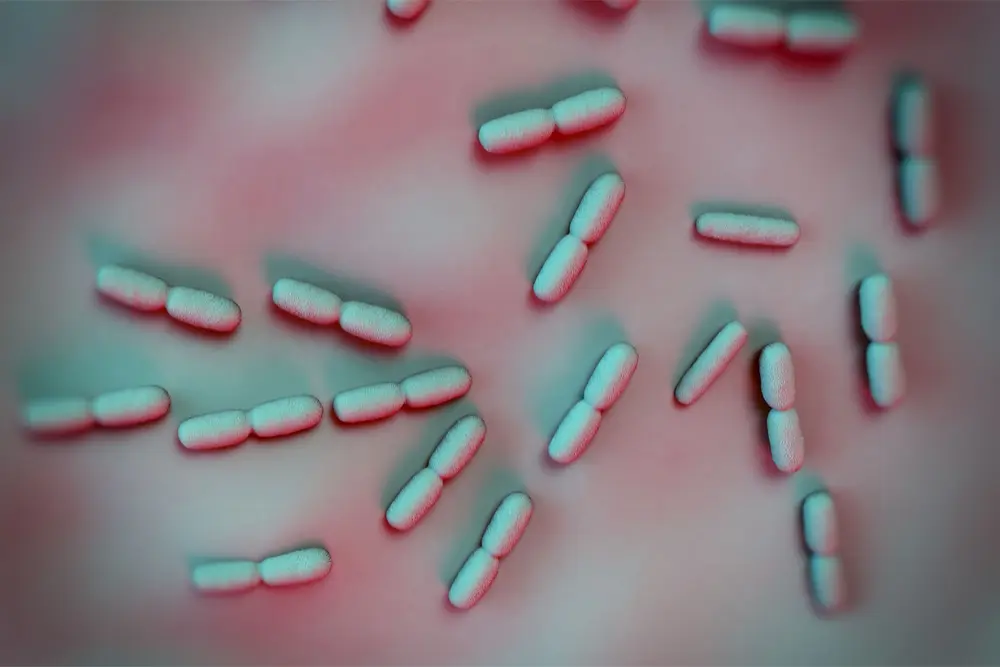
What is Listeria?
Listeria (or Listeria monocytogenes to use its full name) is a bacteria found in soil, water and some animals, including cattle and poultry. It can occur in raw milk, foods made from raw milk and processed meats. It can also occur in food processing facilities. It is quite a “tough” bacteria, and can continue to grow in relatively cold temperatures, for example in a refrigerator. Listeria is killed by cooking or pasteurising foods. It can cause an illness in humans called Listeriosis.
How does Listeria get into fruit such as rockmelons?
Fruit and veg can become contaminated at any point during production, from the farm to the table. On a farm, the soil, irrigation water, water used to wash produce can all be sources of contamination. Heavy rain can splash soil containing Listeria onto low growing crops (like melons). Poor food hygiene during storage or preparation can also cause infection.
What are the symptoms of Listeria infection?
Many people exposed to Listeria will not develop symptoms. Some will experience a self limiting gastro-like illness, but others can become quite unwell and require hospitalisation. Symptoms of Listeria infection may include the following:
- Vomiting
- Diarrhoea
- Fever
- Weakness
- Muscle aches
- Stiff neck
- Confusion
- Complications in pregnancy: miscarriage, stillbirth and serious infection in newborns.
Who is most at risk of Listeriosis?
Whilst anyone can be infected with Listeria, certain groups of people are more at risk, including:
- The elderly
- Pregnant women
- Young children (infants/babies)
- People with weakened immune systems- e.g. due to HIV infection, chronic kidney disease, cancer or diabetes.
- Organ transplant patients who take drugs to prevent organ rejection are also more susceptible.
How is Listeria diagnosed and what is the treatment?
- Listeria may be suspected due to typical symptoms and/or a history of exposure to contaminated food during an outbreak
- Blood or stool (poo) samples can be tested to confirm the diagnosis.
- Treatment may involve a course of antibiotics, as well as rehydration and other supportive management.
How do you prevent Listeriosis?
There are some important food safety guidelines that can help to prevent Listeria infection. These include the following:
- Avoid unpasteurised milk or foods containing unpasteurised milk
- Rinse raw fruit and veg before eating it
- Cook meat and seafood thoroughly
- Try to eat perishable food as soon as possible (particularly deli or lunch meats)
- Separate uncooked meat and seafood from cooked foods, fruit and veg
- Wash hands, utensils and food preparation surfaces after preparing uncooked foods
- Anyone at high risk, such as elderly, pregnant or immunocompromised people, should take extra care with food preparation and where they source food they have not cooked themselves
If you have symptoms suggestive of Listeriosis, you should seek prompt medical attention.
Further Patient Resources
Article Resources
Buchanan RL, et al. (2017) A review of Listeria monocytogenes.


Sinus Infection: Symptoms, How Long It Lasts, and When You Need a Doctor
Sinusitis, often called a sinus infection, is one of the most common reasons Australians start to feel wretched for a week or two after a cold. The good news is [...]

Can You Get a Free Medical Certificate Online in Australia?
An honest answer from a GP: mostly no, but there are some genuinely free routes, and they are worth knowing about. This page explains where free or bulk-billed [...]

Can You Get a Medical Certificate from a Pharmacy or Chemist Warehouse?
Pharmacy Medical Certificates in Australia: Rules, Limits and Costs If you wake up unwell and need proof for work, the local pharmacy can sometimes help. Pharmacists in Australia can [...]
Clinical review & governance

Medically reviewed by Dr Jillian Lau
Clinical Reviewer
Dr. Jillian Shu Yun Lau BMedSc, MBBS, FRACP Dr Jillian Lau studied medicine at Monash University in Melbourne, qualifying in 2008. She gained Fellowship of the Royal Australasian College of Physicians in 2017, specialising in infectious diseases, and…
This health information has been clinically reviewed by an Australian doctor. Qoctor health pages are reviewed to support clear, evidence-informed guidance; they do not replace individual medical advice.
Telehealth is not suitable in all medical situations — patients will be advised if an in-person assessment is needed. In an emergency, call 000.