


What is a UTI?
- UTI stands for Urinary Tract Infection (also referred to as a bladder infection or cystitis).
- UTIs are common, particularly in women.
- Up to 50% of women will experience 1 or more UTI in their life. UTIs are much less common in men.
- Most UTIs are caused by bacteria that live harmlessly in your gut but cause inflammation if they get into your urinary tract. It often stings as urine passes the inflamed area.
- It is important to treat UTI quickly, as the infection can sometimes spread from the bladder to the kidneys (causing a kidney infection, also known as “pyelnonephritis”), which can make you extremely unwell.

What are the symptoms of a UTI?
- Burning or stinging when you pass urine (dysuria)
- Passing urine more frequently (frequency) or urgently (urgency) than normal
- Cloudy or smelly urine
- The feeling that the bladder is still full after urinating
To make the diagnosis, a doctor will usually ask questions about your current symptoms and your medical history. Sometimes a person might think they have a UTI but in fact something else is going on.
What are the signs that something more serious may be going on?
- Pain in your tummy (abdomen) or low back (loins/flanks)
- A fever (high temperature) or chills (rigors)
- Passing larger amounts of urine than normal (polyuria) & excessive thirst (polydipsia)
- Blood in the urine (haematuria)
- Headache/vomiting/flu-like symptoms
- Offensive vaginal discharge
… these indicate that you should see a doctor urgently in person today.
Are there other signs I need to see a doctor?
Sometimes the symptoms of a UTI can be similar to other conditions, such as
- A sexually transmitted infection, eg. Chlamydia
- Diabetes (passing larger amounts of urine than normal & excessive thirst)
- Kidney stones (spasms of pain in the back or groin)
- Kidney infection (fever/chills, flu-like-symptoms, tummy pain, back pain)
- Thrush (itchy vulva, sometimes a discharge or odour)
- Recurrent UTI (3 or more UTIs in 1 year).
…if you’re worried it could be any of these things, it is best to see a doctor in person.
What is the treatment for a UTI?
For a straightforward UTI, usually an antibiotic will be prescribed by your doctor (subject to an appropriate assessment). It is also advisable to take plenty of fluids. If symptoms aren’t improving within 2 days of starting treatment, it is important to see a doctor in person, to see if a different antibiotic may be needed, and to get checked for any other conditions or underlying causes.
What if the antibiotic is not working?
If the antibiotic is not leading to improvement within 2 days, there could be a number of explanations:
- most commonly, it means the bacteria causing the infection are resistant to the first antibiotic- an different antibiotic may be needed, Your doctor may need to send a urine sample to the lab, to get tested.
- something else may be going on- such as an STI (sexually transmitted infection), thrush, kidney stones – your doctor will need to examine you and may need to arrange some further tests.
How do I reduce the chances of getting another UTI?
Women may be able to reduce the chances of getting further UTIs by:
- Always wiping front to back after passing urine
- Passing urine immediately after having sex
- Avoiding vaginal deodorant sprays
- Wearing cotton underwear
- Drinking plenty of water


UTI Symptoms and Treatment: What You Need to Know
Urinary Tract Infections (UTIs) are common, uncomfortable, and often disruptive. But what exactly are the signs to watch for, and how can you get relief fast? In this article, we’ll break down UTI symptoms, [...]
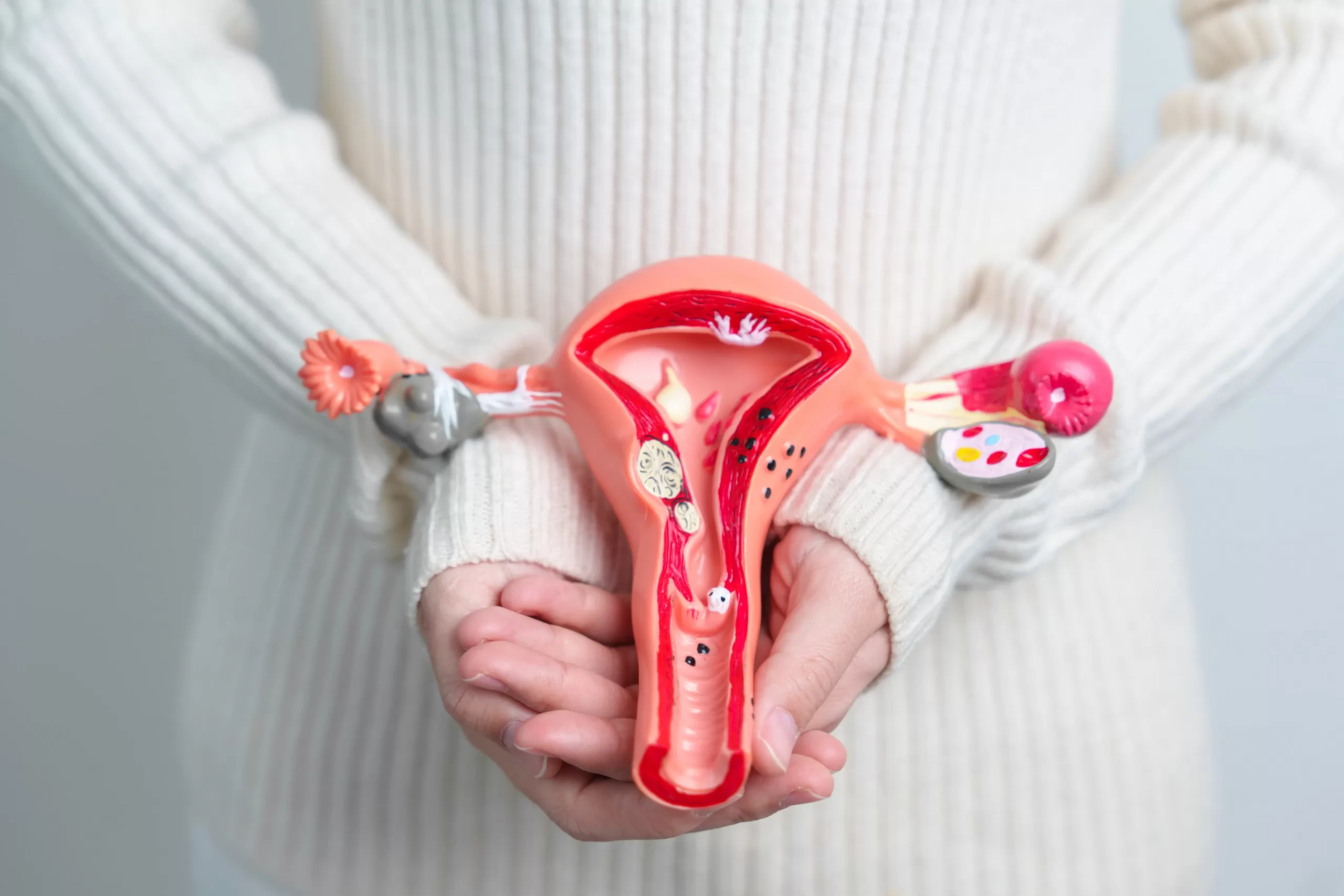
What is a hysterectomy and when is it needed?
A hysterectomy is a surgical procedure to remove a woman's uterus (womb), usually performed by a gynaecologist. It is commonly performed to treat various conditions affecting the uterus, such as [...]

Attachment styles in adult relationships
Attachment theory has been studied and widely accepted in relation to children and their caregivers, but over recent years there is much more focus on attachment in adult interpersonal relationships. [...]

Medically reviewed by Dr Davinder Nagah
MB
Dr. Davinder Nagah MB BS, MRCGP, FRACGP Dr Davinder Nagah is a UK medical graduate. He studied medicine at Imperial College London and subsequently gained extensive experience in Primary Care, Geriatrics and Emergency Medicine. Having made the move…
This health information has been clinically reviewed by an Australian doctor. Qoctor health pages are reviewed to support clear, evidence-informed guidance; they do not replace individual medical advice.
Telehealth is not suitable in all medical situations — patients will be advised if an in-person assessment is needed. In an emergency, call 000.