


Deep Vein Thrombosis- what are the symptoms of a DVT?
What is a DVT?
- DVT is short for “ deep vein thrombosis”- this is when a blood clot forms in a deep vein- usually in the deep veins of the calf or thigh.
- Less commonly, a DVT can happen in other parts of the body such as the arm, or abdomen.
- The deep veins of the legs are not the same as varicose veins- the deep veins cannot be seen. However some people with a DVT may also get inflammation of the superficial veins (the ones on the surface of the leg) too.
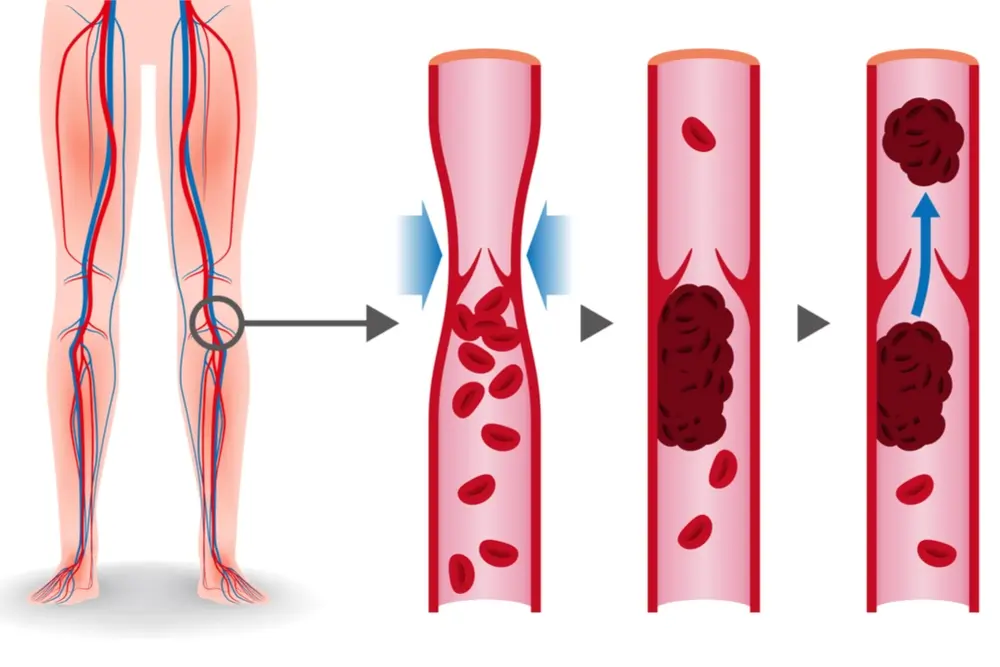
How do you get a DVT?
Sometimes there is no obvious cause. However, certain factors can increase your risk of getting a DVT. These include any conditions that make the blood more likely to clot, or situations where your mobility is reduced for one reason or another. The following are known risk factors for DVT
- Recent surgery
- Recent fractures or orthopaedic (bone) surgery- especially involving the legs
- Long haul flights ( sometimes called “economy class syndrome”), or other long journeys by train, bus or car.
- Smoking
- Obesity (a body mass index or “BMI” > 30)
- Dehydration
- Pregnancy
- The oral contraceptive pill and HRT (hormone replacement therapy)
- Cancer
- Damage to the vein- due to previous DVT, chemotherapy, injections including drug abuse, vasculitis.
- Nephrotic Syndrome
- Genetic conditions that increase clotting risk- e.g Factor V Leiden
- Antiphospholipid Syndrome
What are the symptoms of a DVT?
A DVT in the leg may have no obvious signs, but common symptoms of a DVT include:
- Calf swelling
- Calf tenderness or pain
- Redness of the calf and increased warmth to touch
Sometimes a DVT first shows up with complications, which can be serious, even life-threatening.
What are the complications of a DVT?
As a clot grows larger, some pieces may break off and travel to other parts of the body. The most common complication is a “pulmonary embolism” or “P.E”. This is when a clot lodges in the lungs. A large P.E can cause instant collapse and death, but in many cases will first show up with the following symptoms:
- Shortness of breath
- Pleuritic chest pain (sharp chest pain which is worse or “catch” when you take a deep breath)
- A dry cough
- Coughing up blood
What should you do if you have symptoms of a DVT?
- If you think you may have symptoms of a DVT, it’s essential to seek immediate medical attention as it can be a life-threatening condition.
- Your doctor may advise blood tests (called d-dimers), an ultrasound scan of the leg, or even a scan of the chest if a P.E is suspected.
- You may need to attend an emergency department.
- If a DVT or PE is confirmed, blood thinners or “anticoagulants” can be started which stop the clot growing, and help to prevent further serious complications.
How can you prevent DVT?
- Risk of developing a blood clot is reduced by maintaining a healthy weight, not smoking, and staying well hydrated.
- If you are on the contraceptive pill, speak to your doctor to make sure you’re on one of the lower risk options.
- If going on a long journey, avoid prolonged sitting (e.g. by taking walks up and down the aisle of the plane), and avoid alcohol and sedative medications- this is especially important if you’re on the contraceptive pill or if you’re a smoker.
- If you have had a DVT in the past, it’s even more important to avoid other risk factors.
- Some people opt to wear compression stockings during flights- but it’s important that these fit correctly.
- If you have had recent surgery, it’s good to be mobile afterwards as soon as you can (as per your doctor’s advice).
If you develop symptoms of a DVT or PE, particularly following surgery or a period of immobility, it’s essential you see a doctor immediately.



Sinus Infection: Symptoms, How Long It Lasts, and When You Need a Doctor
Sinusitis, often called a sinus infection, is one of the most common reasons Australians start to feel wretched for a week or two after a cold. The good news is [...]

Can You Get a Free Medical Certificate Online in Australia?
An honest answer from a GP: mostly no, but there are some genuinely free routes, and they are worth knowing about. This page explains where free or bulk-billed [...]

Can You Get a Medical Certificate from a Pharmacy or Chemist Warehouse?
Pharmacy Medical Certificates in Australia: Rules, Limits and Costs If you wake up unwell and need proof for work, the local pharmacy can sometimes help. Pharmacists in Australia can [...]
Clinical review & governance

Medically reviewed by Dr AIFRIC BOYLAN
CEO
About Dr Aifric Boylan MB BCh BAO MICGP FRACGP DRCOG DCH Fellow of the Royal Australian College of General Practitioners, Dr Aifric Boylan is a general practitioner with more than 20 years' experience. She graduated in medicine from…
This health information has been clinically reviewed by an Australian doctor. Qoctor health pages are reviewed to support clear, evidence-informed guidance; they do not replace individual medical advice.
Telehealth is not suitable in all medical situations — patients will be advised if an in-person assessment is needed. In an emergency, call 000.