


What is asthma?
- The airways (tubes) that take air from your throat to your lungs are surrounded by tiny muscles. These muscles are involuntary – you have no control over them. When they contract (squeeze), the airways become narrow and air can’t pass through them as easily.
- Certain triggers, such as pollen or dust, can cause these muscles to contract, or they can contract spontaneously for no obvious reason.
What are the symptoms of asthma?
- The narrowed airways result in breathlessness, wheeze, cough and chest tightness.
- If untreated and severe it can lead to death.
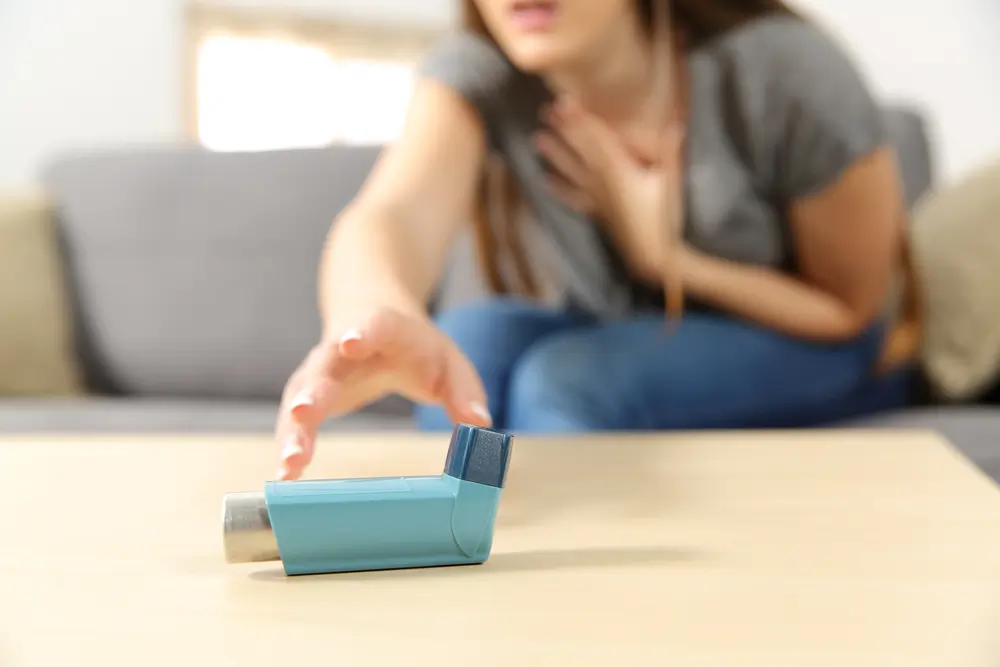
Who gets asthma?
- Asthma can affect up to 1 in 5 people.
- It can run in families – ie. it is linked to genetics.
- It’s associated with other conditions such as eczema and hayfever.
- It’s commoner in smokers.
- It can also be associated with obesity.
- It can start at any time in life.
- It can be triggered by exercise.
How is asthma diagnosed?
- The diagnosis should be made by a doctor, based on symptoms of asthma, the examination findings and the response to treatment.
- Most people over the age of 6 or 7 can have breathing tests to confirm the diagnosis. In young children the symptoms of asthma may be adequate to make the diagnosis.
What is the treatment for asthma?
Avoidance of triggers & reduction of risks
- For example, getting advice on how to reduce exposure to dust or pollens.
- Breastfeeding children (if possible) reduces their chances of being asthmatic.
- Reduction in weight where appropriate.
- Quitting smoking.
- Annual flu immunisation.
- Avoidance of certain medications, most particularly “Beta Blockers”.
- Avoidance of viral infections
Medications
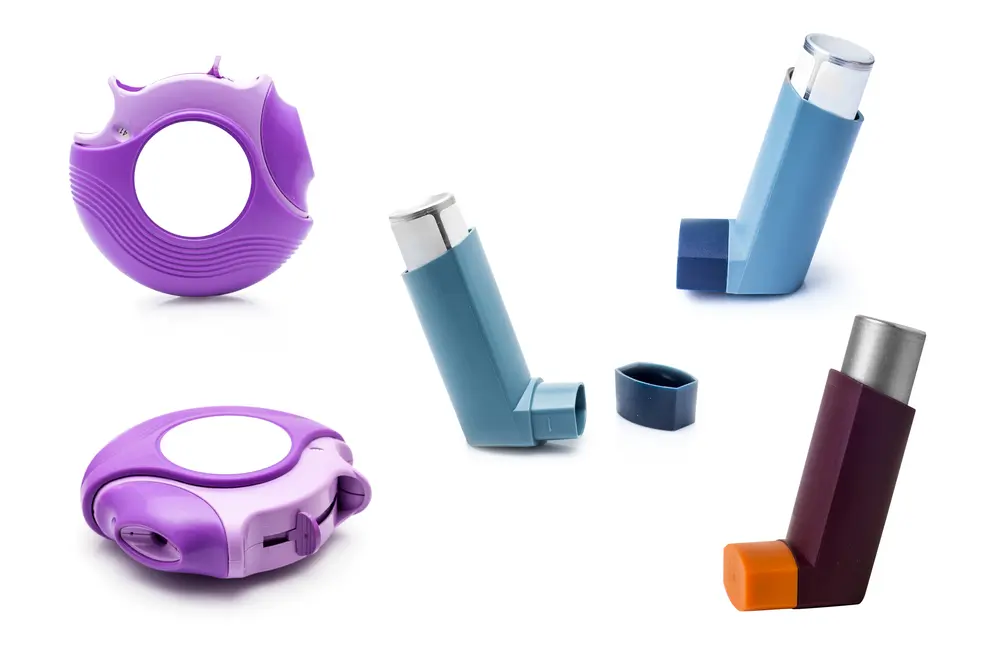
- Prevention of symptoms before they start (Preventer inhalers or tablets).
- Relief of symptoms after they have started (Reliever inhalers).
What are the medications commonly used as treatment for Asthma ?
- Preventers
- Steroid inhalers – reduce the inflammation that causes the muscles around the airways to contract.
- “Long-Acting Beta Agonist” (LABA) inhalers – relax the muscles around the airways.
- “Leukotriene Antagonist” tablets – reduce the inflammation that causes the muscles around the airways to contract.
- Relievers
- “Short-Acting Beta Agonist” (SABA) or- relax the muscles around the airways.
- “Anticholinergic” inhalers – relax the muscles around the airways.
- There are other less commonly used treatments which are mainly used by hospital specialists.
- Most conventional asthma inhalers are more effective if given via a “spacer”. However, some inhalers don’t work with a spacer.
How do I know if my asthma is well controlled?
Among other things:
- You don’t wake at night with a cough or wheeze.
- You rarely or never need a reliever medication.
- You can do all the exercise you want without getting wheezy.
- Your breathing is unaffected during the day.
Are there any complications from asthma?
- The main complications of asthma are the immediate risk of severe attack (which can be fatal) and also the impact on wellbeing in the medium term.
- Asthma can also lead to other serious lung disorders if it’s inadequately controlled long-term.
If you have more questions or concerns about asthma, speak to your GP. For asthma in kids, check out the Royal Children’s Hospital website.


Sinus Infection: Symptoms, How Long It Lasts, and When You Need a Doctor
Sinusitis, often called a sinus infection, is one of the most common reasons Australians start to feel wretched for a week or two after a cold. The good news is [...]

Can You Get a Free Medical Certificate in Australia?
An honest answer from a GP: mostly no, but there are some genuinely free routes, and they are worth knowing about. This page explains where free or bulk-billed certificates really exist, why online [...]

Can You Get a Medical Certificate from a Pharmacy or Chemist Warehouse?
Pharmacy Medical Certificates in Australia: Rules, Limits and Costs If you wake up unwell and need proof for work, the local pharmacy can sometimes help. Pharmacists in Australia can [...]

Medically reviewed by Dr Aifric Boylan
MB · BCH · BAO · MICGP · FRACGP · DRCOG · DCH
About Dr Aifric Boylan MB BCh BAO MICGP FRACGP DRCOG DCH Fellow of the Royal Australian College of General Practitioners, Dr Aifric Boylan is a general practitioner with more than 20 years' experience. She graduated in medicine from…
This health information has been clinically reviewed by an Australian doctor. Qoctor health pages are reviewed to support clear, evidence-informed guidance; they do not replace individual medical advice.
Telehealth is not suitable in all medical situations — patients will be advised if an in-person assessment is needed. In an emergency, call 000.